


Intenational Literature
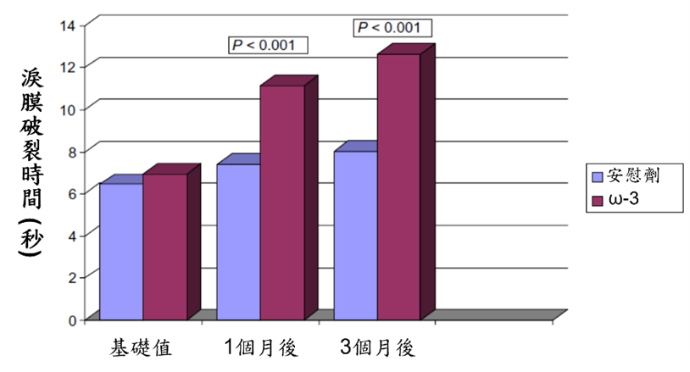
May improve dry eye symptoms
(Oleñik, et al., 2013).
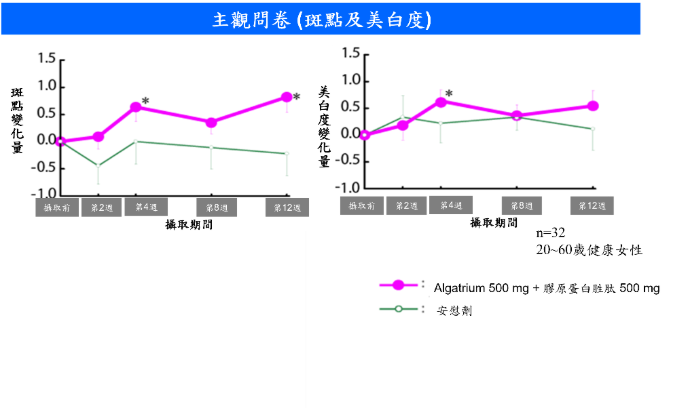
May support skin brightness
(Junno, et al., 2011).
This includes:
- DHA distribution in plasma and cell membranes
- Absorption kinetics compared with conventional fish oil
- Stability and oxidation tolerance in food processing
Note: This content is for research reference only and does not constitute efficacy claims.
Target Audience
Applications
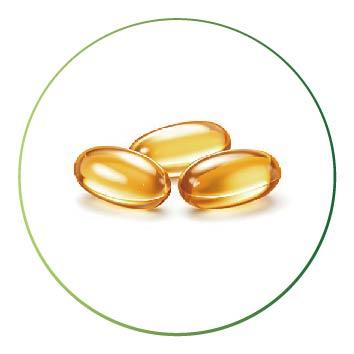
Soft capsule
Resource Center
FAQ
Algatrium® is a high-quality fish oil raw material from Spain that uses patented enzyme-directed rearrangement technology to prioritize DHA at the sn-2 site of triglycerides.
This structure is similar to breast milk lipids and possesses higher bioavailability potential, helping DHA maintain its intact molecular form during digestion and effectively integrate into cell membranes.
Most general fish oils have a random structure, whereas Algatrium® optimizes site distribution through patented enzyme rearrangement, ensuring DHA is stably fixed at the sn-2 position to enhance absorption.
This is because its sn-2 site configuration is similar to the fatty structure of breast milk, which increases formula compatibility and industrial reproducibility.
The product is manufactured in Spain and has passed GMP, Halal, and Kosher certifications, while complying with European Pharmacopoeia standards and FAO fishing regulations.
It is particularly suitable for students with high learning demands, adults who value cardiovascular and brain nutrition, regular exercisers, and health-conscious seniors.
It is recommended to store the product in a cool, dry place, avoiding high temperatures, humid environments, and direct light exposure to maintain its stability.
According to product descriptions, Algatrium® is most suitable for being formulated into softgel dosage forms for consumer consumption.
This technology utilizes specific enzymes to precisely fix DHA onto specific sites of the glycerol backbone, ensuring structural stability and high quality.
Spain holds a leading position in the research and development of marine oils, and Algatrium® combines local advanced scientific research capabilities with strict European production standards.
References
Martin, J. C., Bougnoux, P., Antoine, J. M., Lanson, M., & Couet, C. (1993). Triacylglycerol structure of human colostrum and mature milk. Lipids, 28(7), 637-643.
Lopez-Lopez, A., Lopez-Sabater, M. C., Campoy-Folgoso, C., Rivero-Urgell, M., & Castellote-Bargallo, A. I. (2002). Fatty acid and sn-2 fatty acid composition in human milk from Granada (Spain) and in infant formulas. European journal of clinical nutrition, 56(12), 1242-1254.
Benito, P., Caballero, J., Moreno, J., Gutiérrez-Alcántara, C., Muñoz, C., Rojo, G., ... & Soriguer, F. C. (2006). Effects of milk enriched with ω-3 fatty acid, oleic acid and folic acid in patients with metabolic syndrome. Clinical nutrition, 25(4), 581-587.
Gasso, F., Bogdanov, P., & Domingo, J. (2008). Docosahexaenoic acid improves endogen antioxidant defense in ARPE-19 cells. Investigative Ophthalmology & Visual Science, 49(13), 5932-5932.
Martinez-Soto, J. C., Domingo, J. C., Cordobilla, B., Palbero, L., Pellicer, A., & Landeras, J. (2010). Effect of dietary DHA supplementation on sperm DNA integrity. Fertility and Sterility, 94(4), S235-S236.
Guzmán, J. F., Esteve, H., Pablos, C., Pablos, A., Blasco, C., & Villegas, J. A. (2011). DHA-rich fish oil improves complex reaction time in female elite soccer players. Journal of sports science & medicine, 10(2), 301.
Galbis-Estrada, C., Pinazo-Durán, M. D., Cantú-Dibildox, J., Marco-Ramírez, C., Díaz-Llópis, M., & Benítez-del-Castillo, J. (2013). Patients undergoing long-term treatment with antihypertensive eye drops responded positively with respect to their ocular surface disorder to oral supplementation with antioxidants and essential fatty acids. Clinical interventions in aging, 711-719.
Oleñik, A., Jiménez-Alfaro, I., Alejandre-Alba, N., & Mahillo-Fernández, I. (2013). A randomized, double-masked study to evaluate the effect of omega-3 fatty acids supplementation in meibomian gland dysfunction. Clinical interventions in aging, 1133-1138.
Pinazo-Durán, M. D., Galbis-Estrada, C., Pons-Vázquez, S., Cantú-Dibildox, J., Marco-Ramírez, C., & Benítez-del-Castillo, J. (2013). Effects of a nutraceutical formulation based on the combination of antioxidants and ω-3 essential fatty acids in the expression of inflammation and immune response mediators in tears from patients with dry eye disorders. Clinical interventions in aging, 139-148.