
Intenational Literature
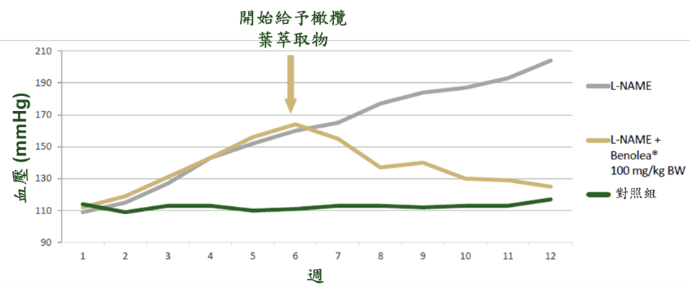
Olive leaf extract may support blood pressure regulation
(Khayyal MT et al., 2002).
This includes:
- Oleuropein and polyphenol composition in botanical models
- Trends in clinical research design
Note: This content is for research reference only and does not constitute efficacy claims.
Target Audience
Applications
Capsules
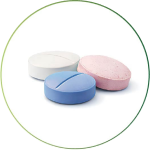
Tablets
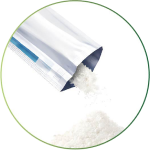
Powder sachets
Resource Center
FAQ
It is derived from Olea europaeaolive leaves from Spain, establishing a stable botanical source foundation.
It utilizes HyperPure® patented purification technology to remove waxes and impurities while preserving key polyphenols and oleuropein components.
Oleuropein is standardized to 16–24%, and total polyphenols are guaranteed to be ≥30%.
Standardization helps ensure batch-to-batch consistency and ingredient transparency, maintaining stable health quality.
The ingredient holds multiple international certifications, including Halal, Kosher, NSF GMP, FSSC 22000, and ISO 9001.
It is primarily intended for adults seeking daily maintenance and individuals struggling with hypertension or hyperlipidemia.
This technology improves the stability of the components and their solubility for various applications.
It is suitable for various common health food dosage forms, including powders, capsules, and tablets.
The phenolic components extracted from olive leaves possess significant antioxidant activity.
Yes, specifications, COAs (Certificates of Analysis), and quality documents can be provided.
References
Benavente-Garcıa, O., Castillo, J., Lorente, J., Ortuño, A. D. R. J., & Del Rio, J. A. (2000). Antioxidant activity of phenolics extracted from Olea europaea L. leaves. Food chemistry, 68(4), 457-462.
Khayyal, M. T., El-Ghazaly, M. A., Abdallah, D. M., Nassar, N. N., Okpanyi, S. N., & Kreuter, M. H. (2002). Blood pressure lowering effect of an olive leaf extract {Olea europaed) in L-NAME induced hypertension in rats. Arzneimittelforschung, 52(11), 797-802.
Perrinjaquet‐Moccetti, T., Busjahn, A., Schmidlin, C., Schmidt, A., Bradl, B., & Aydogan, C. (2008). Food supplementation with an olive (Olea europaea L.) leaf extract reduces blood pressure in borderline hypertensive monozygotic twins. Phytotherapy Research, 22(9), 1239-1242.
Susalit, E., Agus, N., Effendi, I., Tjandrawinata, R. R., Nofiarny, D., Perrinjaquet-Moccetti, T., & Verbruggen, M. (2011). Olive (Olea europaea) leaf extract effective in patients with stage-1 hypertension: comparison with Captopril. Phytomedicine, 18(4), 251-258.
Shen, Y., Song, S. J., Keum, N., & Park, T. (2014). Olive leaf extract attenuates obesity in high‐fat diet‐fed mice by modulating the expression of molecules involved in adipogenesis and thermogenesis. Evidence‐Based Complementary and Alternative Medicine, 2014(1), 971890.
Micucci, M., Malaguti, M., Gallina Toschi, T., Di Lecce, G., Aldini, R., Angeletti, A., ... & Hrelia, S. (2015). Cardiac and vascular synergic protective effect of Olea europea L. leaves and Hibiscus sabdariffa L. flower extracts. Oxidative Medicine and Cellular Longevity, 2015(1), 318125.
Sim, B. Y., Bak, J. W., Jin, H., Jun, J. A., Choi, H. J., Kwon, C. J., ... & Kim, D. H. (2015). Effects of natural eggshell membrane (NEM) on monosodium iodoacetate-induced arthritis in rats. Journal of Nutrition and Health, 48(4), 310-318.
Ruff, K. J., Durham, P. L., O’Reilly, A., & Long, F. D. (2015). Eggshell membrane hydrolyzates activate NF-κB in vitro: possible implications for in vivo efficacy. Journal of inflammation research, 49-57.