




Intenational Literature
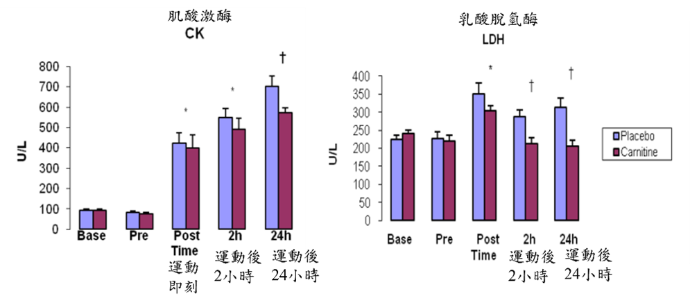
L-Carnitine may support recovery from exercise-induced muscle damage
(Khadijeh, et al., 2014).
Patented encapsulation technology enhances the stability of the ingredient
(Khadijeh, et al., 2014).
This includes:
- Long-chain fatty acid transport and energy metabolism
- Trends in sports nutrition research
- Effects of microencapsulation on stability and moisture resistance
- Supporting its relevance in sports nutrition and amino acid research fields
Note: This content is for research reference only and does not constitute efficacy claims.
Target Audience
Applications
Capsules

Tablets
Resource Center
FAQ
CarniCote® 85 is a stable energy nutritional ingredient featuring L-Carnitine encapsulated with Israeli patented microencapsulation technology.
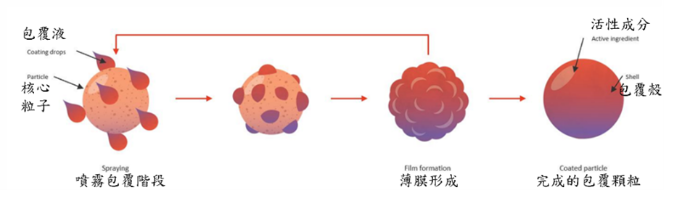
The technology creates a protective layer to reduce the impact of moisture and oxidation, significantly enhancing the stability of the ingredient during processing and storage.
L-Carnitine is a naturally occurring substance in the human body that primarily participates in the metabolic process of transporting long-chain fatty acids into the mitochondria to produce energy.
Through patented encapsulation technology, it effectively improves the issues of hygroscopicity (clumping) and the specific odor associated with traditional L-Carnitine.
It is suitable for fitness enthusiasts with long-term training, individuals with weight management needs, those focused on maintaining daily energy, and long-term vegetarians.
Due to its high stability, it offers flexibility for integration into multiple dosage forms, including capsules, tablets, powder packs, and beverages.
The ingredient holds multiple international quality and food safety certifications, including ISO 9001:2015, GMP, Kosher, and FSSC22000.
The main difference lies in the stability, process tolerance, and reduced risk of moisture absorption provided by CarniCote® 85's microencapsulation technology.
Data indicates that long-term vegetarians are one of the target groups for CarniCote® 85, as carnitine is primarily found in meat, and vegetarians may be more prone to deficiency.
By forming a film during the spraying and coating stage, the active ingredient is encased within a core particle, blocking contact between environmental moisture and the core.
References
Calvo-Castro, I. Critical Review Significance of L-Carnitine for Human Health Marıa M.
Parandak, K., Arazi, H., Khoshkhahesh, F., & Nakhostin-Roohi, B. (2014). The effect of two-week L-carnitine supplementation on exercise-induced oxidative stress and muscle damage. Asian journal of sports medicine, 5(2), 123.
Ferreira, G. C., & McKenna, M. C. (2017). L-carnitine and acetyl-L-carnitine roles and neuroprotection in developing brain. Neurochemical research, 42(6), 1661-1675.