




Intenational Literature
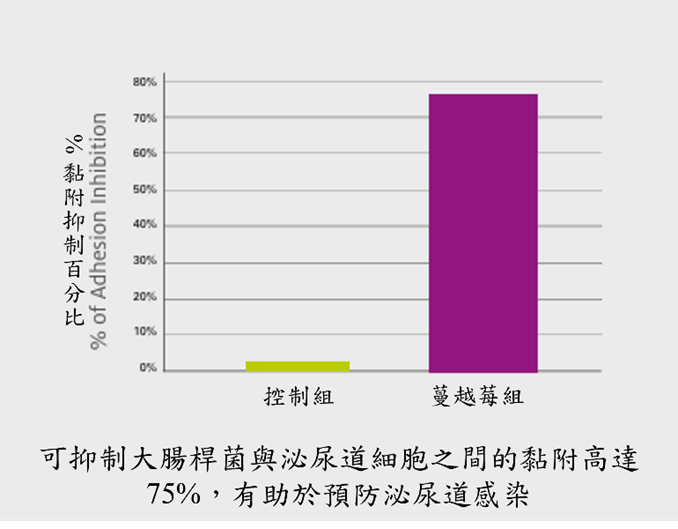
Cranberry extract may inhibit the adhesion of Escherichia coli to urinary tract epithelial cells, supporting urinary tract health
(Ennel et al., 2011).
This includes:
- Bacterial adhesion mechanism models
- Urinary tract-related physiological indicators
- Multicenter clinical study design
- Supporting its academic relevance in women’s nutrition and plant polyphenol research
Note: This content is for research reference only and does not constitute efficacy claims.
Target Audience
Applications
Capsules
Tablets
Powder sachets
Beverages
Resource Center
FAQ
CranPure® is a patented cranberry extract from Canada that utilizes a 300:1 high concentration ratio and is standardized to contain ≥30% A-type Proanthocyanidins (PACs), specifically designed for women's intimate nutritional care.
This ratio indicates that 300 parts of cranberry raw material are extracted into 1 part of essence. This high-concentration process ensures that the active ingredients remain stable and quality is consistent across every batch.
A-type Proanthocyanidins are the key quantitative components in cranberries for inhibiting bacterial adhesion. The high standardized specification of ≥30% establishes a clear quality benchmark and ensures the product's health benefits.
The material is manufactured in Germany and has passed multiple international certifications, including PIC/S GMP, Halal, Kosher, and Non-GMO.
It is primarily suitable for women who value daily health maintenance and those who need to maintain intimate care.
Due to its excellent water solubility and processing stability, it is suitable for capsules, tablets, powder packs, and various beverages.
It is rich in plant polyphenols and is a functional botanical extract that provides multi-faceted support for women's health.
Yes, it uses the U.S. patented raw material CranPure®, featuring patented manufacturing and application technologies that ensure product uniqueness and high quality.
Literature research focuses on its bacterial adhesion mechanisms, urinary tract physiological indicators, and clinical studies, supporting its academic value in the field of women's nutrition.
Because it combines a patented process, high concentration ratio, standardized active ingredients, and multiple international quality certifications, making it a highly competitive B2B raw material in the current market.
References
Tempera, G., Corsello, S., Genovese, C., Caruso, F. E., & Nicolosi, D. (2010). Inhibitory activity of cranberry extract on the bacterial adhesiveness in the urine of women: an ex-vivo study. International journal of immunopathology and pharmacology, 23(2), 611-618.
Tanabe, S., Santos, J., La, V. D., Howell, A. B., & Grenier, D. (2
Tanabe, S., Santos, J., La, V. D., Howell, A. B., & Grenier, D. (2011). A-type cranberry proanthocyanidins inhibit the RANKL-dependent differentiation and function of human osteoclasts. Molecules, 16(3), 2365-2374.
Ermel, G., Georgeault, S., Inisan, C., & Besnard, M. (2012). Inhibition of adhesion of uropathogenic Escherichia coli bacteria to uroepithelial cells by extracts from cranberry. Journal of medicinal food, 15(2), 126-134.
González de Llano, D., Moreno-Arribas, M. V., & Bartolomé, B. (2020). Cranberry polyphenols and prevention against urinary tract infections: relevant considerations. Molecules, 25(15), 3523.