



Intenational Literature
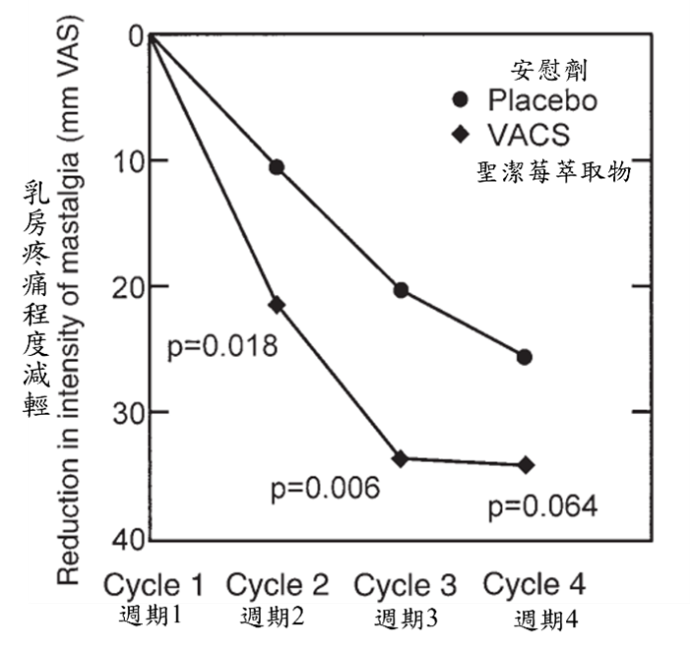
Vitex agnus-castus may support the regulation of premenstrual syndrome (PMS) symptoms
(Halaška et al., 1999).
This includes:
- Research explores phytochemical composition, antioxidant activity, bioavailability, and safety
Note: This content is for research reference only and does not constitute efficacy claims.
Target Audience
Applications
Capsules
Tablets
Powder sachets
Beverages
Resource Center
FAQ
EFLA665® is a standardized herbal extract derived from the traditional Mediterranean plant Vitex agnus-castus L., containing quantified key flavonoids and iridoids.
Yes, EFLA665® uses a controlled process to quantify key flavonoids and iridoids as indicator components to ensure batch-to-batch consistency.
The material uses a water-alcohol extraction process, which meets food formulation requirements and is suitable for Clean Label material selection.
The material has good formulation compatibility and is suitable for various dosage forms, including capsules, tablets, powder packs, and drinks.
It is primarily intended for women who focus on daily nutritional balance and wish to adjust their physiological functions.
Yes, EFLA665® is supported by international literature and compliant food regulations, making it suitable as a raw material for long-term daily nutritional formulas.
It is recommended to store it in a cool, dry place and avoid high temperature and humidity to maintain its physicochemical stability.
Yes, EFLA665® is managed through relevant quality systems and complies with both EU and Taiwan food regulatory requirements.
There is research (Ma et al., 2010) specifically exploring the value of Vitex agnus-castus in adjusting moderate to severe PMS in Chinese women.
Common pairings include SoyLife® soy germ isoflavones, both of which are positioned as phytoestrogen dietary supplements for women.
References
Halaska, M., Beles, P., Gorkow, C., & Sieder, C. (1999). Treatment of cyclical mastalgia with a solution containing a Vitex agnus castus extract: results of a placebo-controlled double-blind study. The Breast, 8(4), 175-181.
Berger, D., Schaffner, W., Schrader, E., Meier, B., & Brattström, A. (2000). Efficacy of Vitex agnus castus L. extract Ze 440 in patients with pre-menstrual syndrome (PMS). Archives of gynecology and obstetrics, 264(3), 150-153.
Meier, B., Allemann, C., & Kreuter, M. H. (2008). Vitex agnus-castus and the way or the drug to the clinical approved herbal medicinal product. Zeller AG Herbal Medicinal Product, 8590.
Ma, L., Lin, S., Chen, R., & Wang, X. (2010). Treatment of moderate to severe premenstrual syndrome with Vitex agnus castus (BNO 1095) in Chinese women. Gynecological Endocrinology, 26(8), 612-616.