





Intenational Literature
Red vine leaf extract may support improvement of circulation-related indicators
(Kiesewetter H, et al., 2000).
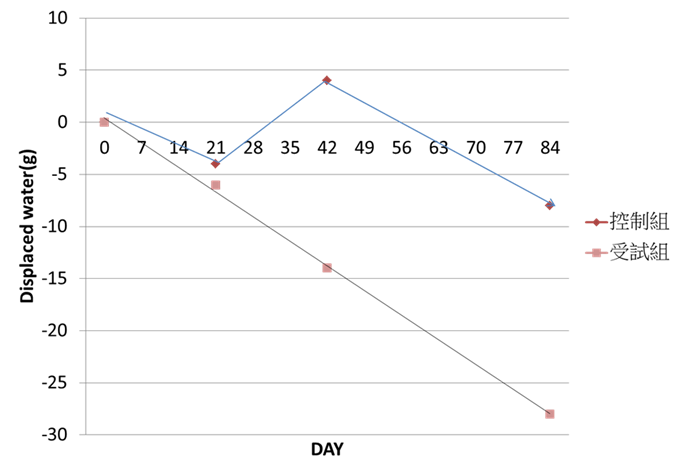
This includes:
- Research explores antioxidant activity, vascular-related physiological markers, bioavailability, and stability
Note: This content is for research reference only and does not constitute efficacy claims.
Target Audience
Applications
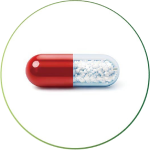
Capsules
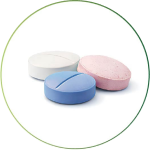
Tablets
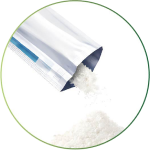
Powder sachets

Beverages
Resource Center
FAQ
EFLA945® is a standardized red vine leaf extract (Vitis vinifera L.) from Spain, characterized by manual harvesting specifically in autumn when leaves turn red, and produced using a low-temperature water extraction process.
Harvesting when the red vine leaves turn red in autumn ensures the integrity and stability of polyphenols and anthocyanins, which helps maintain quality consistency across different batches.
This process preserves the original structure of the phytochemicals, providing the ingredient with excellent water solubility and stability across various formulations.
It is rich in important phytochemicals such as polyphenols, anthocyanins, resveratrol, and quercetin, all of which are standardized through analytical control.
They differ in their source parts and phytochemical compositions; red vine leaf is primarily composed of polyphenols and anthocyanins, while grape seed is mainly composed of proanthocyanidins (OPCs), making them suitable for different product positionings.
The applicable groups include sedentary office workers, health-conscious adult women, and business travelers who travel frequently.
The ingredient is recorded in the European Pharmacopoeia and ESCOP, and it is certified under GMP and Halal management systems.
Due to its excellent stability and water solubility, it is suitable for various dosage forms including capsules, tablets, beverages, and powder packs.
Yes, it is categorized as a Clean Label material, making it suitable for B2B health food development seeking natural and transparent ingredients.
It is recommended to store it in a cool, dry place and avoid exposure to high temperatures and humidity.
References
Kiesewetter, H., Koscielny, J., Kalus, U., Vix, J. M., Peil, H., Petrini, O., ... & de Mey, C. (2000). Efficacy of orally administered extract of red vine leaf AS 195 (folia vitis viniferae) in chronic venous insufficiency (stages l-ll). Arzneimittelforschung, 50(02), 109-117.
Minegishi, Y., Haramizu, S., Hase, T., & Murase, T. (2011). Red grape leaf extract improves endurance capacity by facilitating fatty acid utilization in skeletal muscle in mice. European journal of applied physiology, 111(9), 1983-1989.
Kazama, A., Fujii, F., Hashimoto, T., Suzuki, N., Ichikawa, S., Yamamoto, K., & Mohri, K. (2012). 14th Synposium on Applied Pharmacology-83-1 The Improvement Effect for Swellings of Lower Limb of Preparation of Red Vine Leaf Extract. Oyo Yakuri, 83(1), 1.
Lin, Y. S., Chen, H. J., Huang, J. P., Lee, P. C., Tsai, C. R., Hsu, T. F., & Huang, W. Y. (2017). Kinetics of tyrosinase inhibitory activity using Vitis vinifera leaf extracts. BioMed research international, 2017(1), 5232680.
Chung, I. C., Yuan, S. N., OuYang, C. N., Hu, S. I., Lin, H. C., Huang, K. Y., ... & Chen, L. C. (2020). EFLA 945 restricts AIM2 inflammasome activation by preventing DNA entry for psoriasis treatment. Cytokine, 127, 154951.