





Literature Summary
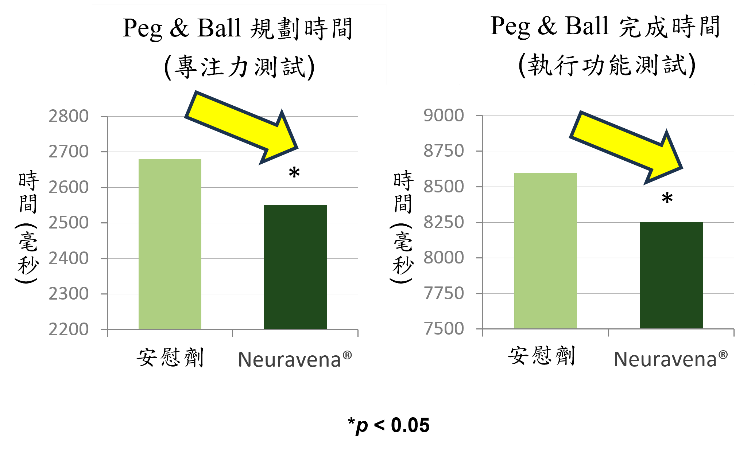
Wild Green Oat Extract may support focus, memory, and executive function performance in the short term
(Kennedy et al., 2015).
This includes:
- Study designs of cognitive-related physiological indicators
- Analysis of flavonoids and botanical active compounds
- Double-blind, placebo-controlled clinical study models
Note: This content is intended solely as a summary of research directions and does not constitute any claims regarding effects or outcomes
Target Audience
Dosage Forms
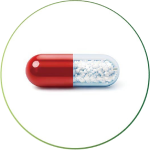
Capsules
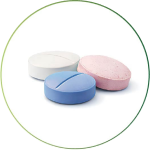
tablets
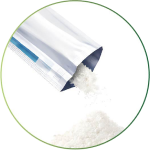
powder sachets
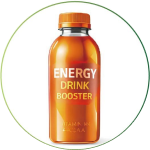
beverages
Resource Center
FAQ
EFLA955® is a high-quality functional botanical extract derived from an ancient variety of Avena sativa grown via contract farming in Spain and processed using patented HyperPure® technology
It is a patented process that effectively removes impurities from the plant while preserving its active ingredients to establish a high-purity profile.
Regular oats are typically used for dietary fiber and metabolic nutrition, whereas Wild Green Oat Extract focuses on supporting daily cognitive nutrition
The extract is quantitatively managed to ensure that each batch contains at least 0.3% flavonoids
Yes, this ingredient has been the subject of double-blind, placebo-controlled clinical studies exploring its effects on cognitive-related physiological indicators
It is suitable for individuals who work with long-term focus, students, those who prefer plant-based nutrition, and anyone managing daily nutritional health.
The raw material is regularly tested by third-party laboratories for pesticide residues, and all results have consistently been "not detected".
The extract possesses good water solubility, making it highly suitable for application in various product dosage forms.
Yes, the raw material aligns with the Clean Label concept, emphasizing simple and pure ingredients.
EFLA955® holds multiple international certifications, including Halal and Kosher, meeting the regulatory requirements of various global markets.
References
Fujii, F., Hashimoto, T., Suzuki, N., Suzuki, R., & MORI, K. (2008). Pilot study of the standardized oats herb extract for smoking reduction. 応用薬理, 75(3-4), 47-53.
Schellekens, C., Perrinjaquet-Moccetti, T., Wullschleger, C., & Heyne, A. (2009). An extract from wild green oat improves rat behaviour. Phytotherapy Research: An International Journal Devoted to Pharmacological and Toxicological Evaluation of Natural Product Derivatives, 23(10), 1371-1377.
Dimpfel, W., Storni, C., & Verbruggen, M. (2011). Ingested oat herb extract (Avena sativa) changes EEG spectral frequencies in healthy subjects. The Journal of Alternative and Complementary Medicine: Paradigm, Practice, and Policy Advancing Integrative Health, 17(5), 427-434.
Berry, N. M., Robinson, M. J., Bryan, J., Buckley, J. D., Murphy, K. J., & Howe, P. R. (2011). Acute effects of an avena sativa herb extract on responses to the stroop color-word test. The Journal of Alternative and Complementary Medicine: Paradigm, Practice, and Policy Advancing Integrative Health, 17(7), 635-637.
Wong, R. H., Howe, P. R., Bryan, J., Coates, A. M., Buckley, J. D., & Berry, N. M. (2012). Chronic effects of a wild green oat extract supplementation on cognitive performance in older adults: a randomised, double-blind, placebo-controlled, crossover trial. Nutrients, 4(5), 331-342.
Wong, R. H., Howe, P. R., Coates, A. M., Buckley, J. D., & Berry, N. M. (2013). Chronic consumption of a wild green oat extract (Neuravena) improves brachial flow-mediated dilatation and cerebrovascular responsiveness in older adults. Journal of Hypertension, 31(1), 192-200.
Kennedy, D. O., Jackson, P. A., Forster, J., Khan, J., Grothe, T., Perrinjaquet-Moccetti, T., & Haskell-Ramsay, C. F. (2017). Acute effects of a wild green-oat (Avena sativa) extract on cognitive function in middle-aged adults: A double-blind, placebo-controlled, within-subjects trial. Nutritional Neuroscience, 20(2), 135-151.
Martinez-Horta, S., Ivanir, E., Perrinjaquet-Moccetti, T., Keuter, M. H., & Kulisevsky, J. (2021). Effects of a green oat herb extract on cognitive performance and neurophysiological activity: a randomized double-blind placebo-controlled study. Frontiers in Neuroscience, 15, 748188.
Tsuboi, T., Satake, Y., Hiraga, K., Yokoi, K., Hattori, M., Suzuki, M., ... & Katsuno, M. (2022). Effects of MAO-B inhibitors on non-motor symptoms and quality of life in Parkinson's disease: A systematic review. npj Parkinson's Disease, 8(1), 75.