Intenational Literature
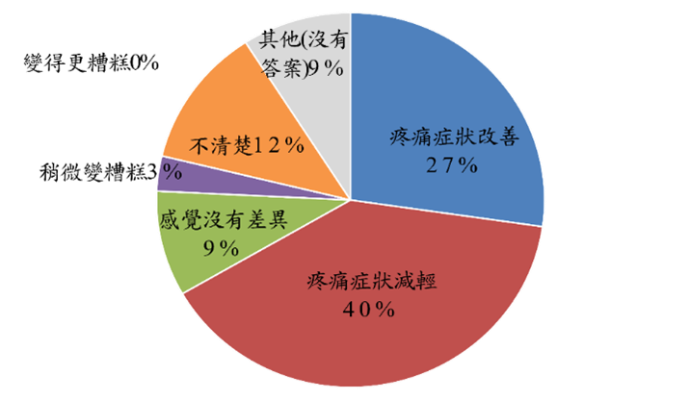
SAMe may support relief of joint discomfort (based on JKOM questionnaire results)
(Internal Research Data from the Manufacturer).
This includes:
- Research explores SAMe's role in methylation, sulfur metabolism, and cellular energy metabolism, as well as its safety and biochemical properties as a functional ingredient
Note: This content is for research reference only and does not constitute efficacy claims.
Target Audience
Applications
Capsules

Tablets
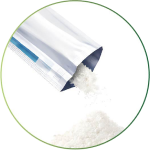
Powder sachets
Resource Center
FAQ
Fermeast® SA is a food-grade yeast raw material produced using patented Japanese fermentation technology, featuring a highly stable content of SAMe (S-adenosylmethionine).
The material uses Japanese sake yeast (Saccharomyces cerevisiae) as its food-source yeast, which is a traditional food-grade strain.
No, Fermeast® SA uses a traditional, non-GMO food-grade yeast strain.
The material has passed the ISO 9001:2015 quality management system certification, ensuring traceability and risk management processes.
The exclusive patented technology precisely controls cultivation conditions, ensuring high stability and batch consistency of the SAMe content within the yeast cells.
It is suitable for seniors concerned about mobility, office workers who socialize frequently, and busy young adults who need to balance their lives.
The material has excellent industrial applicability and is suitable for various dosage forms, including capsules, tablets, and powder packs.
It is recommended to store the material in a cool, dry place and avoid exposure to high temperatures and humidity.
Numerous studies have evaluated its safety and biochemical properties as a functional food material, supporting its research value in the field of fermentation science.
Japanese technology ensures the purity of the yeast source and high stability of SAMe, which is superior to potentially unstable synthetic or non-patented sources.
References
Bottiglieri, T. (2002). S-Adenosyl-L-methionine (SAMe): from the bench to the bedside—molecular basis of a pleiotrophic molecule. The American journal of clinical nutrition, 76(5), 1151S-1157S.
Lieber, C. S. (2002). S-adenosyl-L-methionine: its role in the treatment of liver disorders. The American journal of clinical nutrition, 76(5), 1183S-1187S.
Papakostas, G. I., Alpert, J. E., & Fava, M. (2003). S-adenosyl-methionine in depression: a comprehensive review of the literature. Current psychiatry reports, 5(6), 460-466.
Lu, S. C., & Mato, J. M. (2012). S-adenosylmethionine in liver health, injury, and cancer. Physiological reviews, 92(4), 1515-1542.
S-adenosylmethionine reduces the progress of the Alzheimer-like features induced by B-vitamin deficiency in mice
Wang, Y., Sun, Z., & Szyf, M. (2017). S-adenosyl-methionine (SAM) alters the transcriptome and methylome and specifically blocks growth and invasiveness of liver cancer cells. Oncotarget, 8(67), 111866.
Sharma, A., Gerbarg, P., Bottiglieri, T., Massoumi, L., Carpenter, L. L., Lavretsky, H., ... & Mischoulon, D. (2017). S-Adenosylmethionine (SAMe) for neuropsychiatric disorders: a clinician-oriented review of research. The Journal of clinical psychiatry, 78(6), e656.
Taylor, R. M., Smith, R., Collins, C. E., Mossman, D., Wong-Brown, M. W., Chan, E. C., ... & Hure, A. J. (2018). Methyl-donor and cofactor nutrient intakes in the first 2–3 years and global DNA methylation at age 4: a prospective cohort study. Nutrients, 10(3), 273.