Intenational Literature
Curcumin may exert protective effects against ethanol-induced liver injury
(Subramaniyan et al.,2023).
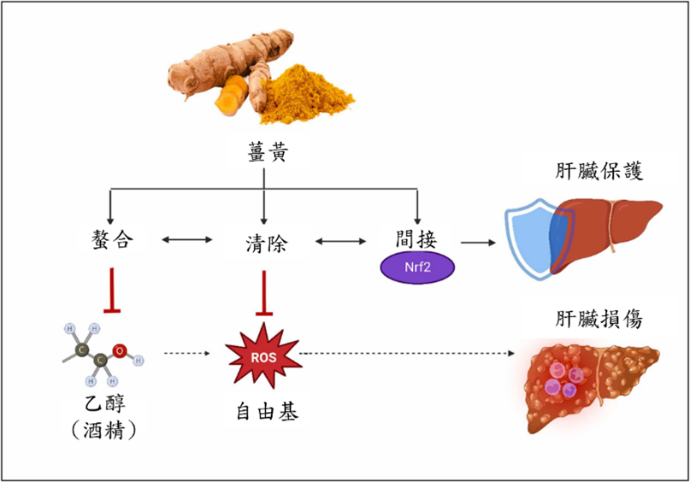
This includes:
- Polyphenol and curcumin composition and stability
- The impact of fermentation on transformation of plant bioactive compounds
- Bioavailability and absorption kinetics trends
- Supporting its research relevance in nutrition science and food engineering.
Note: This content is for research reference only and does not constitute efficacy claims.
Target Audience
Applications
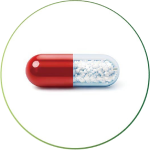
Capsules
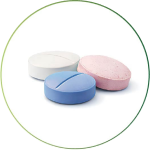
Tablets
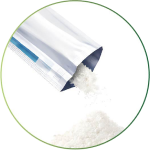
Powder sachets
Beverages
Resource Center
FAQ
Fermented turmeric is a raw material produced through long-term, low-temperature fermentation using multiple lactic acid bacteria strains, including Lactobacillus acidophilus, L. bulgaricus, and L. plantarum. Compared to regular turmeric, the primary difference lies in the conversion of active ingredients into a small-molecule form and a significant reduction in the original bitter and earthy flavor.
The product utilizes multiple lactic acid bacteria strains for fermentation and transformation, specifically Lactobacillus acidophilus, L. bulgaricus, and L. plantarum.
The fermentation process alters the structural profile of the ingredients, converting active components into a small-molecule form. This provides a communicative advantage for emphasizing "gentle absorption" and enhanced bioavailability.
Through the fermentation process, the characteristic pungency, bitterness, and earthy taste of turmeric are effectively reduced. This enhances palatability and makes it easier to incorporate into various beverage and food formulations.
The raw materials are sourced from local contract farming areas in Taiwan, specifically the central regions of Zhuolan, Dongshi, Mingjian, and Xinyi, establishing a complete traceable supply chain from origin to manufacturing.
Fermented turmeric is particularly suitable for office workers who frequently eat out or attend social gatherings, adults with irregular lifestyles, and seniors focused on maintaining their health.
Due to its optimized flavor and excellent dispersion characteristics, fermented turmeric is suitable for various product dosage forms, including powders, capsules, tablets, and beverages.
The production process employs low-temperature fermentation and drying techniques, strictly following ISO9001 and HACCP management systems to ensure the stability and purity of every batch.
The use of low-temperature fermentation and drying methods is designed to protect the active ingredients within the turmeric, preventing heat from damaging their structure and ensuring consistent quality across product batches.
Fermented turmeric is categorized as a suitable nutritional supplement for seniors focusing on health maintenance, and scientific literature has explored the research value of curcumin in supporting the health of Silver-haired
References
Wang, B., Gao, X., Liu, B., Li, Y., Bai, M., Zhang, Z., ... & Hu, Y. (2019). Protective effects of curcumin against chronic alcohol-induced liver injury in mice through modulating mitochondrial dysfunction and inhibiting endoplasmic reticulum stress. Food & nutrition research, 63, 10-29219.
Jamali, N., Adib-Hajbaghery, M., & Soleimani, A. (2020). The effect of curcumin ointment on knee pain in older adults with osteoarthritis: a randomized placebo trial. BMC Complementary Medicine and Therapies, 20(1), 305.
Subramaniyan, V., Lubau, N. S. A., Mukerjee, N., & Kumarasamy, V. (2023). Alcohol-induced liver injury in signalling pathways and curcumin's therapeutic potential. Toxicology Reports, 11, 355-367.