
Intenational Literature
Yerba Mate supplementation may support body weight reduction
(T. Andersen and J. Fogh, 2001).
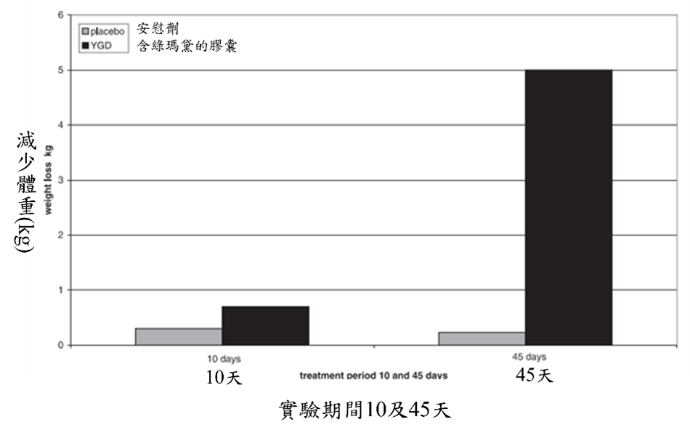
This includes:
- Polyphenol and Caffeoylquinic acid composition analysis
- Saponins and metabolism-related physiological indicators
- Nutritional science discussions on plant-based vitality sources
Note: This content is for research reference only and does not constitute efficacy claims.
Target Audience
Applications
Capsules
Tablets
Beverages
Resource Center
FAQ
Yerba Mate Extract is an essence derived from the leaves of the traditional South American plant Ilex paraguariensis, and it is rich in natural plant polyphenols and saponins.
The extract undergoes an HPLC standardized process to ensure it contains Caffeoylquinic acids and Triterpenic saponins.
Production according to European GMP standards ensures strict process control and strengthens purity management and quality reliability.
No extra caffeine is added to this product; any caffeine present is a natural component of the Yerba Mate plant.
Yerba Mate is particularly suitable for high-efficiency office workers, those in weight management, and groups needing daily vitality management.
The raw material offers versatile application flexibility, suitable for developing various products like powders, capsules, and beverages.
Yes, the material emphasizes natural botanical sources and transparent quality standards, aligning with the Clean Label industry trend.
Both are recommended ingredients for energy metabolism support, and using them together can enhance a product's competitiveness in the vitality management market.
Caffeoylquinic acids are natural phenolic compounds, and research focuses on their nutritional scientific value as a botanical source of vitality.
Yerba Mate (Ilex paraguariensis) has a long history of use in South America and is a highly representative functional botanical extract from the region.
References
Lieberman, H. R., Wurtman, R. J., Emde, G. G., Roberts, C., & Coviella, I. L. G. (1987). The effects of low doses of caffeine on human performance and mood. Psychopharmacology, 92(3), 308-312.
De Pasquale, C. (1991). Double-blind controlled clinical study of Mate in subjects placed on low-calorie diet. Clin. Dietol, 18, 27-38.
Gugliucci, A. (1996). Antioxidant effects of Ilex paraguariensis: induction of decreased oxidability of human LDLin vivo. Biochemical and Biophysical Research Communications, 224(2), 338-344.
Baisch, A. M., Johnston, K. B., & Stein, F. P. (1998). Endothelium-dependent vasorelaxing activity of aqueous extracts of Ilex paraguariensis on mesenteric arterial bed of rats. Journal of Ethnopharmacology, 60(2), 133-139.
Martinet, A., Hostettmann, K., & Schutz, Y. (1999). Thermogenic effects of commercially available plant preparations aimed at treating human obesity. Phytomedicine, 6(4), 231-238.
Andersen, T., & Fogh, J. (2001). Weight loss and delayed gastric emptying following a South American herbal preparation in overweight patients. Journal of Human Nutrition and Dietetics, 14(3), 243-250.
Filip, R., López, P., Giberti, G., Coussio, J., & Ferraro, G. (2001). Phenolic compounds in seven South American Ilex species. Fitoterapia, 72(7), 774-778.
Smith, A. (2002). Effects of caffeine on human behavior. Food and chemical toxicology, 40(9), 1243-1255.