
Intenational Literature
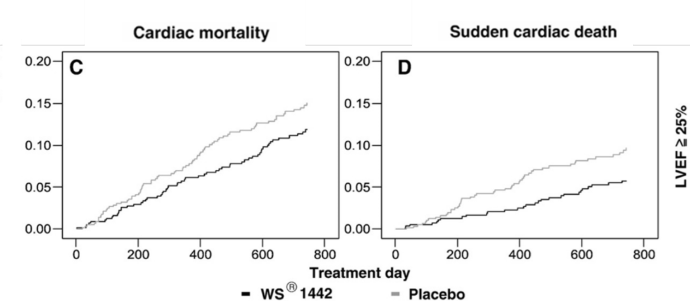
Research indicates that hawthorn extract may reduce the incidence of sudden cardiac death in certain patient groups (LVEF ≥25%)
(Christian et al., 2008).
This includes:
- Circulatory nutrition-related observational indicators
- Human clinical study design
- Long-term safety analysis
Note: This content is for research reference only and does not constitute efficacy claims.
Target Audience
Applications
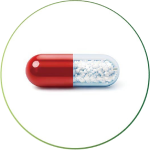
Capsules
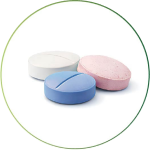
Tablets
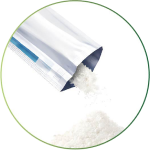
Powder sachets
Beverages
Resource Center
FAQ
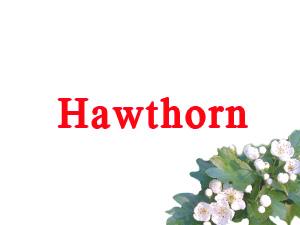
Hawthorn Leaf Flower extract is a botanical nutritional ingredient derived from the leaves and flowers of the traditional European hawthorn plant, produced through quantitative standardized management with a long history of botanical application.
This product specifically utilizes the "leaf" and "flower" parts of the hawthorn plant and features multi-national pharmacopoeia listings and strict standardized component management, distinguishing it from general hawthorn fruit products.
Hawthorn leaf and flower are recorded in the ESCOP (European), BHMA (British), PDR (American), and German Pharmacopoeias.
The origin and manufacturing background of this ingredient are Germany, which is advantageous for applications in the European botanical nutrition market.
It is suitable for the daily nutrition management market, the senior nutrition market, and groups that prefer plant-based nutrition sources.
Hawthorn Leaf Flower extract can be applied in dosage forms such as capsules, tablets, and beverages.
This refers to a standardized method used to ensure the content of active components in the product, maintaining consistency and quality stability across every batch.
Yes, Hawthorn Leaf Flower extract is considered a functional botanical extract and aligns with the Clean Label market trend.
German manufacturing represents high-quality production processes and a stable source of raw materials, helping to build a solid market foundation for European botanical nutrition products.
International journals have conducted long-term safety analyses and evaluations of Hawthorn Leaf Flower extract to ensure its stability as a nutritional supplement.
References
Schmidt, U., Kuhn, U., Ploch, M., & Hübner, W. D. (1994). Efficacy of the Hawthorn (Crataegus) preparation LI 132 in 78 patients with chronic congestive heart failure defined as NYHA functional class II. Phytomedicine, 1(1), 17-24.
Holubarsch, C. J., Colucci, W. S., Meinertz, T., Gaus, W., Tendera, M., & Survival and Prognosis: Investigation of Crataegus Extract WS® 1442 in CHF (SPICE) trial study group. (2008). The efficacy and safety of Crataegus extract WS® 1442 in patients with heart failure: The SPICE trial. European Journal of Heart Failure, 10(12), 1255-1263.
Härtel, S., Kutzner, C., Westphal, E., Limberger, M., Burkart, M., Ebner-Priemer, U., ... & Bös, K. (2014). Effects of endurance exercise training and Crataegus extract WS® 1442 in patients with heart failure with preserved ejection fraction–a randomized controlled trial. Sports, 2(3), 59-75.
Holubarsch, C. J., Colucci, W. S., & Eha, J. (2018). Benefit-risk assessment of Crataegus extract WS 1442: An evidence-based review. American Journal of Cardiovascular Drugs, 18(1), 25-36.
Zhang, J., Chai, X., Zhao, F., Hou, G., & Meng, Q. (2022). Food applications and potential health benefits of hawthorn. Foods, 11(18), 2861.