
Intenational Literature
KOLEtshai® may support maintenance of digestive system health
(Enye et al., 2013).
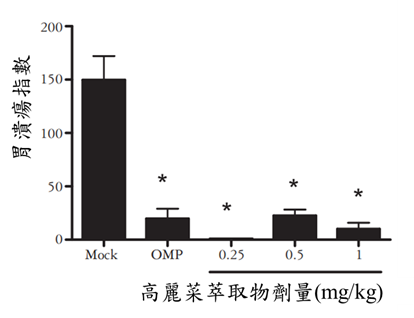
This includes:
- Antioxidant activity and phytochemical composition changes
- Impact of fermentation on MMSC content and stability
-
Water solubility and processing tolerance
Note: This content is for research reference only and does not constitute efficacy claims.
Target Audience
Applications
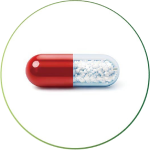
Capsules

Tablets
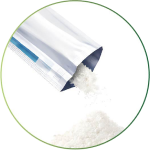
Powder sachets
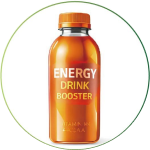
Beverages
Resource Center
FAQ
KOLEtshai® is a concentrated powder raw material made from Taiwan cabbage using 120-day biotransformation fermentation technology.
Long-term fermentation helps in the reorganization and transformation of phytochemicals, making the product flavor milder and enhancing water solubility.
The product retains and concentrates the unique MMSC (Methylmethionine Sulfonium Chloride) of cabbage, commonly known as Vitamin U.
It is particularly suitable for office workers who frequently eat out, coffee and dessert lovers, and adults who focus on a balanced diet.
The raw material has high water solubility specifications and a mild flavor, making it very suitable for use in transparent drinks and powder packets.
Yes, KOLEtshai® aligns with Clean Label trends and holds relevant certifications such as HACCP.
Yes, it is made from the fermentation of Taiwan cabbage and edible bacteria, classified as a nature-identical health food raw material.
To ensure stable quality, it is recommended to store it in a cool, dry place, avoiding high temperatures and humid environments.
The raw material is applicable to various dosage forms, including powders, capsules, tablets, and various beverages.
It can be paired with Pylopass® (patented L. reuteri) to enhance its positioning in adjusting the gastric microenvironment.
References
Cheney, G. (1952). Vitamin U therapy of peptic ulcer. California Medicine, 77(4), 248.
van Poppel, G., Verhoeven, D. T., Verhagen, H., & Goldbohm, R. A. (1999). Brassica vegetables and cancer prevention: epidemiology and mechanisms. Advances in nutrition and cancer 2, 159-168.
Meletis, C. D., & Zabriskie, N. (2008). Supporting gastrointestinal health with nutritional therapy. Alternative and Complementary Therapies, 14(3), 132-138.
Carvalho, C. A. D., Fernandes, K. M., Matta, S. L. P., Silva, M. B. D., Oliveira, L. L. D., & Fonseca, C. C. (2011). Evaluation of antiulcerogenic activity of aqueous extract of Brassica oleracea var. capitata (cabbage) on Wistar rat gastric ulceration. Arquivos de gastroenterologia, 48, 276-282.
Sokmen, B. B., Tunali, S., & Yanardag, R. (2012). Effects of vitamin U (S-methyl methionine sulphonium chloride) on valproic acid induced liver injury in rats. Food and Chemical Toxicology, 50(10), 3562-3566
Enye, J. C., Chineke, H. N., Onubeze, D. P. M., & Nweke, I. (2013). Evaluation of the healing effects of aqueous extracts of Musa paradisiaca (unripe plantain) and Brassica oleracea (cabbage) on peptic ulcer. IOSR J Dental Med Sci, 8(6), 40-6.