
Intenational Literature
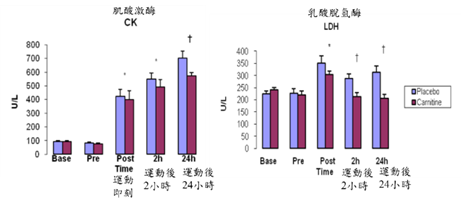
L-Carnitine may support recovery from exercise-induced muscle damage
Markers such as Creatine Kinase (CK) and Lactate Dehydrogenase (LDH) are commonly used indicators
(Khadijeh, et al., 2014).
This includes:
- Research explores its role in energy metabolism, muscle physiology indicators, and post-exercise biochemical responses
Note: This content is for research reference only and does not constitute efficacy claims.
Target Audience
Applications
Capsules
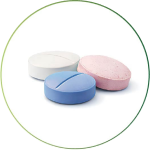
Tablets
Resource Center
FAQ
L-Carnitine is a classic chemical nutrient derived from lysine and methionine, and it is a molecule related to endogenous metabolism in the human body.
This raw material is produced by Alfasigma (formerly Sigma-tau) in Italy, featuring a pharmaceutical-grade source with long-term industrial and clinical supply experience.
Yes, this material is of Italian origin and has completed the Taiwan TFDA food additive registration, making it a compliant food-grade raw material.
Suitable groups include high-activity professionals and athletes, the elderly, long-term vegetarians, and those in their growth phase needing nutritional support.
This material is a stable form of L-Carnitine with multi-dosage form compatibility, suitable for capsules, tablets, and special nutritional foods.
L-Carnitine is an endogenous metabolic molecule in the human body, produced industrially through processes that meet food-grade specifications.
It is recommended to store it in a cool, dry place, avoiding exposure to high temperatures and humidity.
Since L-Carnitine is primarily found in meat, long-term vegetarians may lack this nutrient, making them a recommended group for supplementation.
Yes, it is recommended to pair it with Beet’4Perf™ (Beetroot), which helps establish a professional sports nutrition dietary image.
The company possesses extensive industrial and clinical supply experience, providing high-quality and stable pharmaceutical-grade source materials.
References
Parandak, K., Arazi, H., Khoshkhahesh, F., & Nakhostin-Roohi, B. (2014). The effect of two-week L-carnitine supplementation on exercise-induced oxidative stress and muscle damage. Asian journal of sports medicine, 5(2), 123
Balashov, V., Balykova, L., Khutorskaya, I., Bystrova, E., Shaymardanova, G., Ivyanskiy, S., ... & Kotlyarov, A. (2020). Potential for L-carnitine application in sports practice. Procedia Computer Science, 169, 821-828.
Stefan, M., Sharp, M., Gheith, R., Lowery, R., Ottinger, C., Wilson, J., ... & Bellamine, A. (2021). L-carnitine tartrate supplementation for 5 weeks improves exercise recovery in men and women: a randomized, double-blind, placebo-controlled trial. Nutrients, 13(10), 3432.
Center, S. A., Harte, J., Watrous, D., Reynolds, A., Watson, T. D. G., Markwell, P. J., ... & Erb, H. N. (2000). The clinical and metabolic effects of rapid weight loss in obese pet cats and the influence of supplemental oral L‐carnitine. Journal of veterinary internal medicine, 14(6), 598-608.
Pooyandjoo, M., Nouhi, M., Shab‐Bidar, S., Djafarian, K., & Olyaeemanesh, A. (2016). The effect of (L‐) carnitine on weight loss in adults: a systematic review and meta‐analysis of randomized controlled trials. Obesity reviews, 17(10), 970-976.