


Intenational Literature
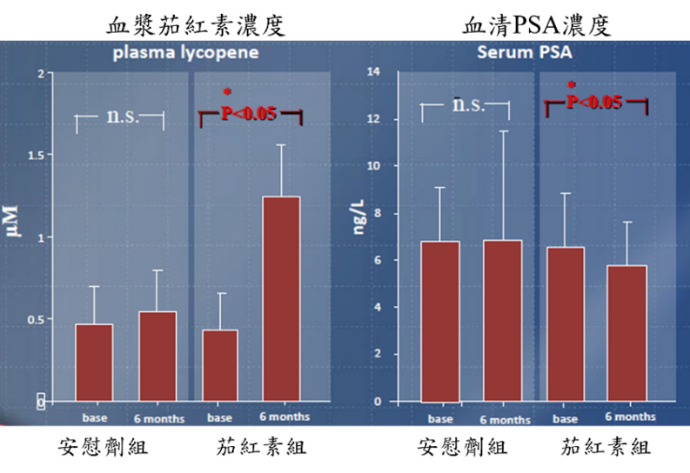
Lycopene intake may increase plasma lycopene levels and reduce PSA concentrations
(Schwarz et al, J. Nutr, 2008).
This includes:
- explores antioxidant activity
- bioavailability
- tissue distribution
- stability in food processing
Note: This content is for research reference only and does not constitute efficacy claims.
Target Audience
Applications
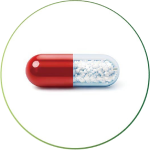
Capsules

Tablets
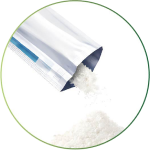
Powder sachets

Beverages
Resource Center
FAQ
Lyc-O-Pen® is a lycopene ingredient derived from patented Israeli tomato strains and manufactured in the USA using advanced microencapsulation technology to ensure stability and high quality.
Microencapsulation technology enhances the oxidative stability, light resistance, and heat resistance of lycopene, while effectively masking the ingredient's odor and improving formulation compatibility.
Yes, it is derived from LycoRed patented tomato strains, retaining natural tomato pigments and classified as a nature-identical form.
It retains natural accompanying components such as $\beta$-carotene and Vitamin E, providing a complete phytochemical profile.
It has passed multiple quality certifications, including Halal, Kosher, FSSC22000, ISO9001, HACCP, and GMP.
It offers versatile applications suitable for capsules, tablets, powder packs, general foods, and topical skincare formulations.
It is recommended to store them in a cool, dry place while avoiding high-temperature environments and exposure to direct light.
Yes, Lyc-O-Pen® possesses Clean Label characteristics, meeting consumer demands for transparent, simple, and natural ingredients.
Patented tomato strains from LycoRed have a significantly higher lycopene content compared to standard tomato varieties.
Through microencapsulation technology, the stability of lycopene is enhanced, and related studies have explored its bioavailability performance in various carrier systems.
References
Kucuk, O., Sarkar, F. H., Sakr, W., Djuric, Z., Pollak, M. N., Khachik, F., ... & Wood Jr, D. P. (2001). Phase II randomized clinical trial of lycopene supplementation before radical prostatectomy. Cancer Epidemiology Biomarkers & Prevention, 10(8), 861-868.
Kucuk, O., Sarkar, F. H., Djuric, Z., Sakr, W., Pollak, M. N., Khachik, F., ... & Wood Jr, D. P. (2002). Effects of lycopene supplementation in patients with localized prostate cancer. Experimental Biology and Medicine, 227(10), 881-885.
Ansari, M. S., & Gupta, N. P. (2003). A comparison of lycopene and orchidectomy vs orchidectomy alone in the management of advanced prostate cancer. BJU international, 92(4), 375-378.
Cesarini, J. P., Michel, L., Maurette, J. M., Adhoute, H., & Bejot, M. (2003). Immediate effects of UV radiation on the skin: modification by an antioxidant complex containing carotenoids. Photodermatology, photoimmunology & photomedicine, 19(4), 182-189.
Aust, O., Stahl, W., Sies, H., Tronnier, H., & Heinrich, U. (2005). Supplementation with tomato-based products increases lycopene, phytofluene, and phytoene levels in human serum and protects against UV-light-induced erythema. International journal for vitamin and nutrition research, 75(1), 54-60.
Ansari, M. S., & Gupta, N. P. (2004, September). Lycopene: a novel drug therapy in hormone refractory metastatic prostate cancer. In Urologic Oncology: Seminars and Original Investigations (Vol. 22, No. 5, pp. 415-420). Elsevier.
Briviba, K., Kulling, S. E., Möseneder, J., Watzl, B., Rechkemmer, G., & Bub, A. (2004). Effects of supplementing a low-carotenoid diet with a tomato extract for 2 weeks on endogenous levels of DNA single strand breaks and immune functions in healthy non-smokers and smokers. Carcinogenesis, 25(12), 2373-2378.
Briviba, K., Kulling, S. E., Möseneder, J., Watzl, B., Rechkemmer, G., & Bub, A. (2004). Effects of supplementing a low-carotenoid diet with a tomato extract for 2 weeks on endogenous levels of DNA single strand breaks and immune functions in healthy non-smokers and smokers. Carcinogenesis, 25(12), 2373-2378.
Porrini, M., Riso, P., Brusamolino, A., Berti, C., Guarnieri, S., & Visioli, F. (2005). Daily intake of a formulated tomato drink affects carotenoid plasma and lymphocyte concentrations and improves cellular antioxidant protection. British Journal of Nutrition, 93(1), 93-99.