
Intenational Literature
May inhibit the release of pro-inflammatory factors
(Christiane et al., 2021).
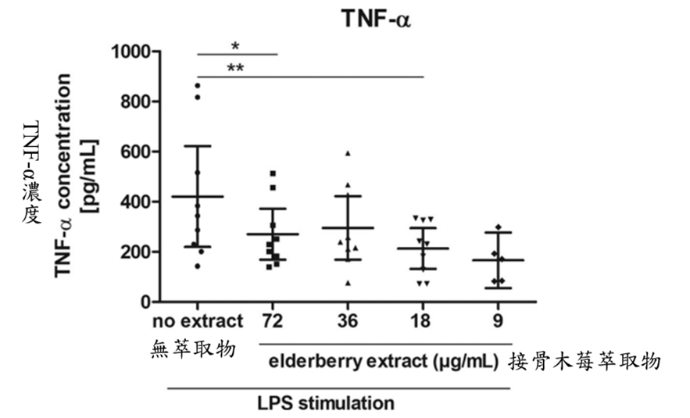
This includes:
- Antioxidant activity and free radical scavenging
- Polyphenol composition and stability
- Water solubility and food processing tolerance
Note: This content is for research reference only and does not constitute efficacy claims.
Target Audience
Applications
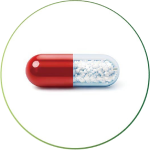
Capsules
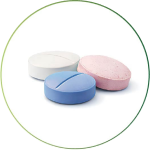
Tablets
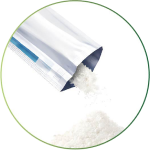
Powder sachets
Beverages
Resource Center
FAQ
The extract uses anthocyanins (C3G) as the key indicator component for quantitative control to ensure batch consistency.
It adopts a food-grade, mild water-ethanol extraction process to effectively preserve the profile of polyphenols and anthocyanins.
The product features excellent water solubility and a mild flavor, making it highly suitable for applications in transparent beverages and powder packs.
The product has passed ISO 9001 and HACCP management system certifications.
It is suitable for capsules, tablets, drinks, powder packs, and general food.
Yes, the product includes Clean Label in its keywords, meeting the modern demand for transparency in healthy eating.
It is recommended to store it in a cool, dry place and avoid high temperature and humid environments.
The extract has a mild flavor and does not cause significant interference with the taste of the end product.
It can be recommended for pairing with ingredients such as Echinacea, Thyme (EFLA633), or Probiotics (LiveOle).
It retains the natural plant polyphenol composition, and its water-soluble specification is very helpful for maintaining formulation stability.
References
Nagai, T., MIYAICHI, Y., TOMIMORI, T., SUZUKI, Y., & YAMADA, H. (1990). Inhibition of influenza virus sialidase and anti-influenza virus activity by plant flavonoids. Chemical and pharmaceutical bulletin, 38(5), 1329-1332.
Mach, L., Scherf, W., Ammann, M., Poetsch, J., Bertsch, W., März, L., & Glössl, J. (1991). Purification and partial characterization of a novel lectin from elder (Sambucus nigra L.) fruit. Biochemical Journal, 278(3), 667-671.
Cao, G., Muccitelli, H. U., Sánchez-Moreno, C., & Prior, R. L. (2001). Anthocyanins are absorbed in glycated forms in elderly women: a pharmacokinetic study. The American journal of clinical nutrition, 73(5), 920-926.
Zakay-Rones, Z., Thom, E., Wollan, T., & Wadstein, J. (2004). Randomized study of the efficacy and safety of oral elderberry extract in the treatment of influenza A and B virus infections. Journal of International Medical Research, 32(2), 132-140.
Zafra‐Stone, S., Yasmin, T., Bagchi, M., Chatterjee, A., Vinson, J. A., & Bagchi, D. (2007). Berry anthocyanins as novel antioxidants in human health and disease prevention. Molecular nutrition & food research, 51(6), 675-683.
Tiralongo, E., Wee, S. S., & Lea, R. A. (2016). Elderberry supplementation reduces cold duration and symptoms in air-travellers: A randomized, double-blind placebo-controlled clinical trial. Nutrients, 8(4), 182.