

Intenational Literature
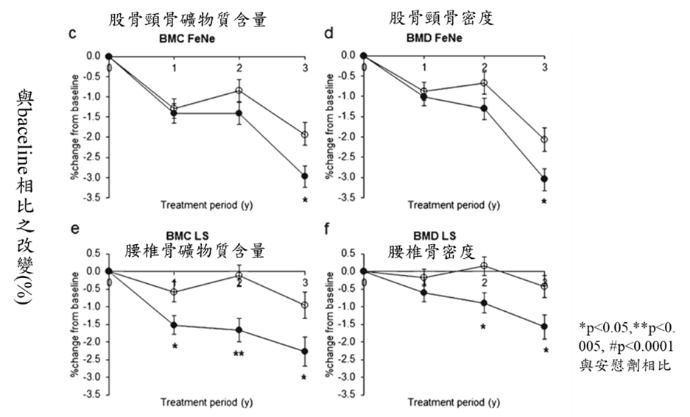
MK-7 supplementation may support bone health in postmenopausal women
(Knapen et al., 2013).
This includes:
- stability, bioavailability vs Vitamin K1
- absorption kinetics
- fermentation impact on MK-7 content
- formulation compatibility
Note: This content is for research reference only and does not constitute efficacy claims.
Target Audience
Applications
Capsules
Tablets
Powder sachets
Beverages
Resource Center
FAQ
K2Life™ is a Vitamin K2 MK-7 ingredient manufactured in Taiwan, produced through precise and controlled deep fermentation of Bacillus subtilis var. natto, and standardized for Menaquinone-7 content to ensure specification stability.
Product features include a precision fermentation source, a highly stable long-chain MK-7 form, 100% natto ferment content meeting Clean Label requirements, and suitability for multiple dosage forms.
Yes, K2Life™ is derived from 100% natural natto ferment produced by Bacillus subtilis var. natto, without any artificial additives.
MK-7 is a long-chain form of Vitamin K2, which offers better chemical stability, formula tolerance, and higher bioavailability compared to MK-4.
K2Life™ has high formula tolerance and is suitable for diverse dosage forms including powders, capsules, tablets, sachets, and drinks.
K2Life™ is produced in Taiwan and complies with international quality management and manufacturing standards such as ISO 22000, HACCP, and GMP.
Because it is 100% fermented from natto without artificial additives, meeting the application requirements for single-ingredient Clean Labels.
It is recommended to store it in a cool, dry place, avoiding high temperatures, humidity, and exposure to direct light to maintain its activity and stability.
Through controlled deep fermentation technology, K2Life™ ensures high consistency in MK-7 content and purity across different batches.
MK-7 is considered to have superior intestinal absorption kinetics and blood concentration maintenance capabilities, with better bioavailability than Vitamin K1.
References
Southward, K. (2015). A hypothetical role for vitamin K2 in the endocrine and exocrine aspects of dental caries. Medical hypotheses, 84(3), 276-280.
Geleijnse, J. M., Vermeer, C., Grobbee, D. E., Schurgers, L. J., Knapen, M. H., Van Der Meer, I. M., ... & Witteman, J. C. (2004). Dietary intake of menaquinone is associated with a reduced risk of coronary heart disease: the Rotterdam Study. The Journal of nutrition, 134(11), 3100-3105.
Knapen, M. H., Braam, L. A., Drummen, N. E., Bekers, O., Hoeks, A. P., & Vermeer, C. (2015). Menaquinone-7 supplementation improves arterial stiffness in healthy postmenopausal women. Thrombosis and haemostasis, 113(05), 1135-1144.
Maresz, K. (2015). Proper calcium use: vitamin K2 as a promoter of bone and cardiovascular health. Integrative Medicine: A Clinician's Journal, 14(1), 34.
Vermeer, C., & Vik, H. (2020). Effect of Menaquinone-7 (vitamin K2) on vascular elasticity in healthy subjects: results from a one-year study. Vasc Dis Ther, 5, 1-4.
Sato, T., Schurgers, L. J., & Uenishi, K. (2012). Comparison of menaquinone-4 and menaquinone-7 bioavailability in healthy women. Nutrition journal, 11(1), 93.