
Intenational Literature
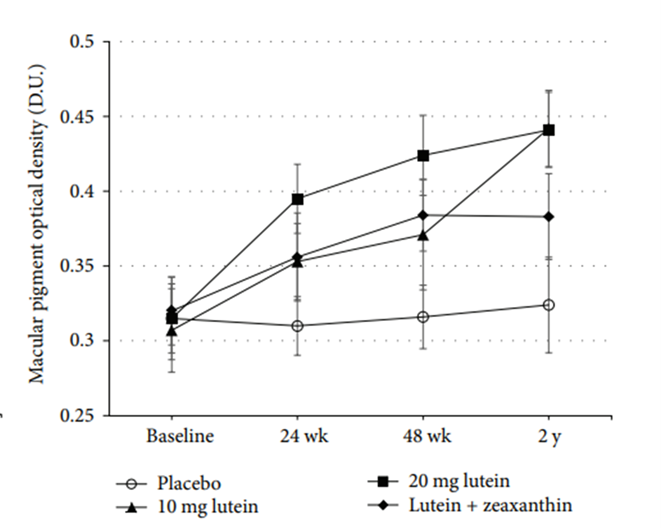
Lutein supplementation may support visual-related physiological indicators
(Yang et. al., 2015).
This includes:
- Trends in visual physiological indicator studies
- Macular Pigment Optical Density (MPOD) related research
- Effects of microencapsulation on stability and absorption forms
Note: This content is for research reference only and does not constitute efficacy claims.
Target Audience
Applications
Capsules
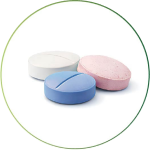
Tablets
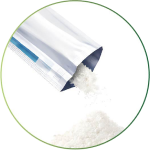
Powder sachets
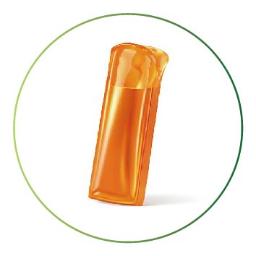
Jelly
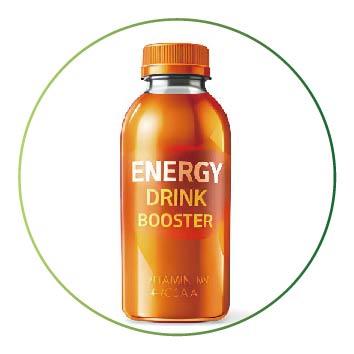
Beverages
Resource Center
FAQ
It is an Israel-patented microencapsulated lutein extracted from Tagetes erecta, specifically designed for the B2B health food ingredient market.
The ingredient is extracted from natural Tagetes erecta (marigold), providing a stable foundation for plant-sourced carotenoids.
It uses a patented vegetarian microencapsulation process to enhance tolerance to high temperatures and pH environments, while improving flowability and processing stability.
The ingredient offers high application flexibility, making it suitable for developing capsules, tablets, powder packs, general foods, and skincare products.
The ingredient complies with several international safety and quality standards, including Halal, Kosher, GMP, FSSC22000, ISO9001, and GRAS.
The microencapsulated structure effectively reduces the impact of oxidation and moisture absorption, which is beneficial for the development of powder and tablet formulations.
The primary groups include seniors who value visual maintenance, office workers and students who use 3C products for long periods, and general health management groups.
Yes, the product emphasizes compliance with Clean Label trends, providing natural and transparent ingredient options.
Studies suggest that combinations of lutein, lycopene, and beta-carotene may possess synergistic anti-inflammatory effects.
It protects active ingredients from environmental factors and increases the survival rate during various manufacturing processes.
References
Canfield, L. M., Clandinin, M. T., Davies, D. P., Fernandez, M. C., Jackson, J., Hawkes, J., ... & Bo, X. (2003). Multinational study of major breast milk carotenoids of healthy mothers. European Journal of Nutrition, 42(3), 133-141.
Parisi, V., Tedeschi, M., Gallinaro, G., Varano, M., Saviano, S., Piermarocchi, S., & CARMIS Study Group. (2008). Carotenoids and antioxidants in age-related maculopathy italian study: multifocal electroretinogram modifications after 1 year. Ophthalmology, 115(2), 324-333.
Hadad, N., & Levy, R. (2012). The synergistic anti-inflammatory effects of lycopene, lutein, β-carotene, and carnosic acid combinations via redox-based inhibition of NF-κB signaling. Free Radical Biology and Medicine, 53(7), 1381-1391.
Evans, M., Beck, M., Elliott, J., Etheve, S., Roberts, R., & Schalch, W. (2013). Effects of formulation on the bioavailability of lutein and zeaxanthin: a randomized, double-blind, cross-over, comparative, single-dose study in healthy subjects. European Journal of Nutrition, 52(4), 1381-1391.
Huang, Y. M., Dou, H. L., Huang, F. F., Xu, X. R., Zou, Z. Y., & Lin, X. M. (2015). Effect of supplemental lutein and zeaxanthin on serum, macular pigmentation, and visual performance in patients with early age‐related macular degeneration. BioMed research international, 2015(1), 564738.