
Intenational Literature
Consumption of Naxus® may support blood glucose regulation
(Garcia et al., 2007)
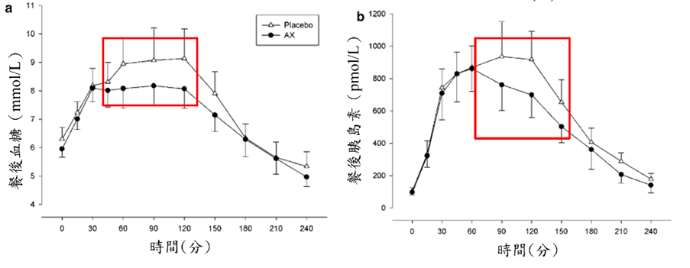
Garcia et al., 2007
(Laue C. et al. Nutrients 2021)
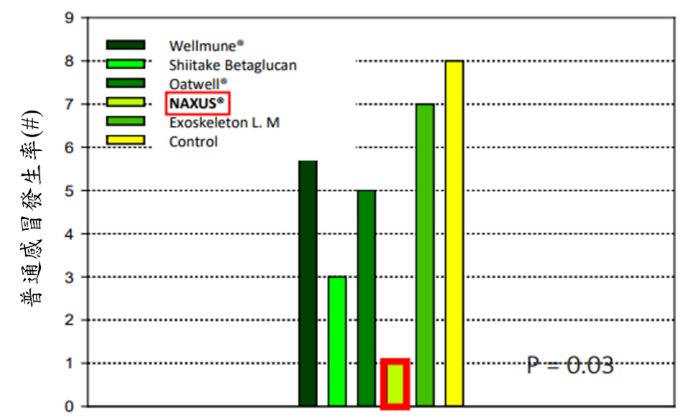
This includes:
- Research explores its role in gut microbiota modulation, short-chain fatty acid production, and functional dietary fiber properties
Note: This content is for research reference only and does not constitute efficacy claims.
Target Audience
Applications
Capsules
Tablets
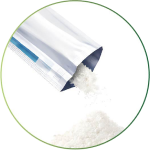
Powder sachets
Beverages
Resource Center
FAQ
NEM® is a nutritional ingredient extracted from the inner membrane layer of fresh eggs using exclusive patented separation and drying technology, containing standardized hyaluronic acid, chondroitin, and collagen.
AX stands for Arabinoxylan, which is a key functional polysaccharide component found in wheat endosperm.
The material is 100% derived from wheat endosperm, explicitly avoiding wheat bran or oil extraction byproducts to ensure clear and pure ingredient sourcing.
Naxus® contains high-purity plant polysaccharides, with an NSP content exceeding 50%.
Due to its high application flexibility, it is suitable for various forms including capsules, tablets, powder packs, cereal bars, drinks, and nutritional shakes.
Naxus® has excellent water solubility, allowing it to dissolve easily in water and be perfectly compatible with dairy or plant-based beverage systems.
Yes, it is highly suitable. Naxus® is recommended for professionals who frequently eat out to help regulate physiological functions.
No, Naxus® does not require refrigeration; it can be stored in a cool, dry place at room temperature.
Yes, Naxus® is positioned as a Clean Label-compliant ingredient, with transparent sourcing and simple processing.
Because it offers high quality, is supported by multiple scientific publications, and possesses high technical flexibility for various dosage forms.
References
Garcia, A. L., Otto, B., Reich, S. C., Weickert, M. O., Steiniger, J., Machowetz, A., ... & Koebnick, C. (2007). Arabinoxylan consumption decreases postprandial serum glucose, serum insulin and plasma total ghrelin response in subjects with impaired glucose tolerance. European journal of clinical nutrition, 61(3), 334-341.
Laue, C., Stevens, Y., van Erp, M., Papazova, E., Soeth, E., Pannenbeckers, A., ... & Schrezenmeir, J. (2021). Adjuvant effect of orally applied preparations containing non-digestible polysaccharides on influenza vaccination in healthy seniors: a double-blind, randomised, controlled pilot trial. Nutrients, 13(8), 2683.
Salden, B. N., Troost, F. J., Wilms, E., Truchado, P., Vilchez-Vargas, R., Pieper, D. H., ... & Masclee, A. A. (2018). Reinforcement of intestinal epithelial barrier by arabinoxylans in overweight and obese subjects: A randomized controlled trial: Arabinoxylans in gut barrier. Clinical Nutrition, 37(2), 471-480.
Collins, S. M., Gibson, G. R., Stainton, G. N., Bertocco, A., Kennedy, O. B., Walton, G. E., & Commane, D. M. (2023). Chronic consumption of a blend of inulin and arabinoxylan reduces energy intake in an ad libitum meal but does not influence perceptions of appetite and satiety: A randomised control-controlled crossover trial. European Journal of Nutrition, 62(5), 2205-2215.