


Intenational Literature
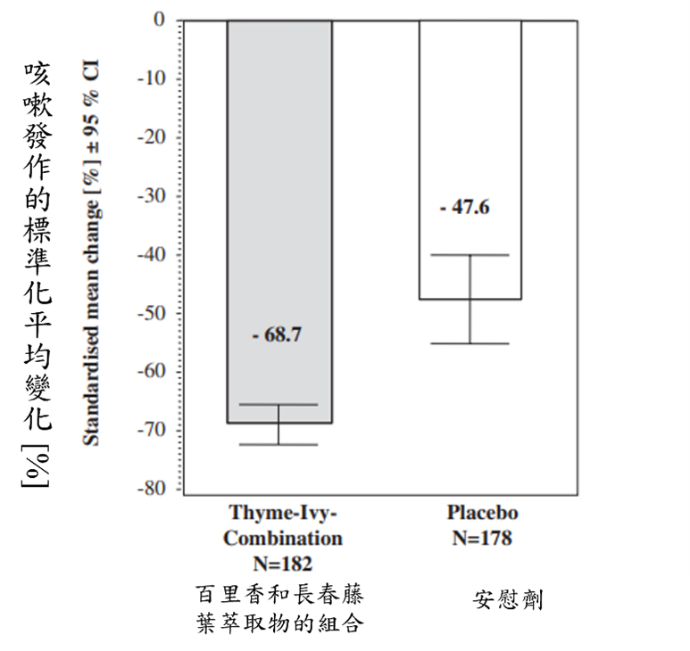
Thyme extract may reduce the incidence of cough
(Bernd et al., 2006).
This includes:
- Research explores antioxidant activity, microbial inhibition, phytochemical composition, and stability
Note: This content is for research reference only and does not constitute efficacy claims.
Target Audience
Applications
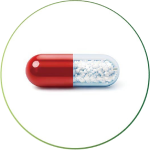
Capsules
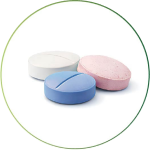
Tablets
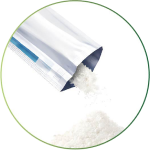
Powder sachets
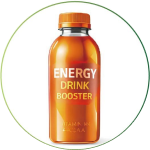
Beverages
Resource Center
FAQ
EFLA633® is a Thyme (Thymus vulgaris L.) extract originating from Spain, standardized with Rosmarinic acid as its key indicator component.
Its features include pharmaceutical-grade plant sources, standardized key components, a water-soluble clean extraction process, and compatibility with multiple dosage forms.
The raw material is quantitatively controlled using Rosmarinic acid to ensure consistency across every batch.
No, it utilizes a water-soluble extraction process with no concerns regarding organic solvent residues, aligning with the Clean Label concept.
It has excellent dosage form adaptability, suitable for capsules, tablets, powder packets, and drinks.
It is suitable for office workers who prioritize daily diet quality, those who prefer herbal flavors, and consumers who focus on natural raw material sources.
Yes, it utilizes a water-soluble extraction process, making it highly beneficial for applications in drinks and powder packet products.
It is recommended to store it in a cool, dry place and avoid exposure to high temperatures and humidity.
Yes, it is positioned as a B2B health food raw material, suitable for manufacturers to develop various functional foods.
Because the water-soluble process ensures no solvent residues, and standardized Rosmarinic acid provides stable batch quality and scientifically supported functional value.
References
Fujii, F., Hashimoto, T., Suzuki, N., Suzuki, R., & MORI, K. (2008). Pilot study of the standardized oats herb extract for smoking reduction. 応用薬理, 75(3-4), 47-53.
Schellekens, C., Perrinjaquet-Moccetti, T., Wullschleger, C., & Heyne, A. (2009). An extract from wild green oat improves rat behaviour. Phytotherapy Research: An International Journal Devoted to Pharmacological and Toxicological Evaluation of Natural Product Derivatives, 23(10), 1371-1377.
Dimpfel, W., Storni, C., & Verbruggen, M. (2011). Ingested oat herb extract (Avena sativa) changes EEG spectral frequencies in healthy subjects. The Journal of Alternative and Complementary Medicine: Paradigm, Practice, and Policy Advancing Integrative Health, 17(5), 427-434.
Berry, N. M., Robinson, M. J., Bryan, J., Buckley, J. D., Murphy, K. J., & Howe, P. R. (2011). Acute effects of an avena sativa herb extract on responses to the stroop color-word test. The Journal of Alternative and Complementary Medicine: Paradigm, Practice, and Policy Advancing Integrative Health, 17(7), 635-637.
Wong, R. H., Howe, P. R., Bryan, J., Coates, A. M., Buckley, J. D., & Berry, N. M. (2012). Chronic effects of a wild green oat extract supplementation on cognitive performance in older adults: a randomised, double-blind, placebo-controlled, crossover trial. Nutrients, 4(5), 331-342.
Wong, R. H., Howe, P. R., Coates, A. M., Buckley, J. D., & Berry, N. M. (2013). Chronic consumption of a wild green oat extract (Neuravena) improves brachial flow-mediated dilatation and cerebrovascular responsiveness in older adults. Journal of Hypertension, 31(1), 192-200.
Kennedy, D. O., Jackson, P. A., Forster, J., Khan, J., Grothe, T., Perrinjaquet-Moccetti, T., & Haskell-Ramsay, C. F. (2017). Acute effects of a wild green-oat (Avena sativa) extract on cognitive function in middle-aged adults: A double-blind, placebo-controlled, within-subjects trial. Nutritional Neuroscience, 20(2), 135-151.
Martinez-Horta, S., Ivanir, E., Perrinjaquet-Moccetti, T., Keuter, M. H., & Kulisevsky, J. (2021). Effects of a green oat herb extract on cognitive performance and neurophysiological activity: a randomized double-blind placebo-controlled study. Frontiers in Neuroscience, 15, 748188.
Tsuboi, T., Satake, Y., Hiraga, K., Yokoi, K., Hattori, M., Suzuki, M., ... & Katsuno, M. (2022). Effects of MAO-B inhibitors on non-motor symptoms and quality of life in Parkinson's disease: A systematic review. npj Parkinson's Disease, 8(1), 75.