


Intenational Literature
Mechanisms of Vitamin B12 absorption and transport in the human body
(Vincenti et al., 2021).
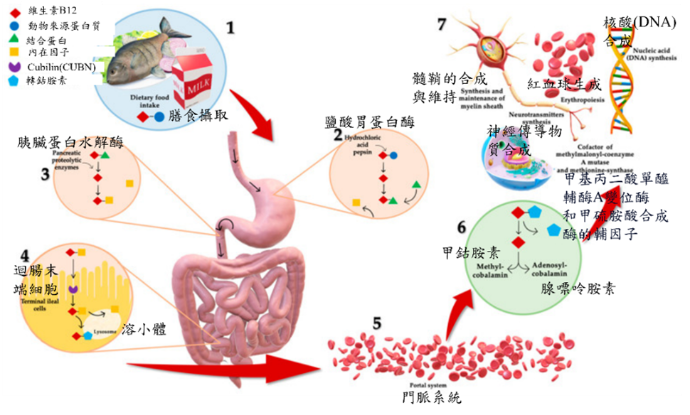
This includes:
- Binding with intrinsic factor and ileal absorption pathways
- Differences among molecular forms of Vitamin B12
- Nutritional science applications of Vitamin B12 metabolism
- Supporting its academic relevance in vitamin B12 nutrition science.
Note: This content is for research reference only and does not constitute efficacy claims.
Target Audience
Applications
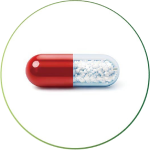
Capsules
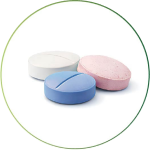
Tablets
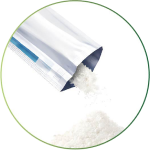
Powder sachets
Resource Center
FAQ
It is a spirulina extract cultivated in Iceland's geothermal environment, rich in natural active Vitamin B12 (Methylcobalamin), and containing various amino acids and micronutrients.
The Vitamin B12 in this product is in the "natural active Methylcobalamin" form, and component analysis data can be provided as evidence.
Geothermal energy and pure water sources provide a stable production environment and effectively reduce the risk of external environmental pollution.
Because it is a plant-based B12 source, helping long-term vegetarians obtain active Vitamin B12, which is typically found in animal-sourced foods.
Yes, the product has passed multiple international quality and safety certifications, including GMP, ISO 22000, GRAS, Kosher, and Halal.
It is suitable for use in capsules, tablets, powder sachets, and general food formulations.
Yes, a traceable food-grade cultivation model has been established through patented farming and mechanized management systems.
Methylcobalamin is the active form of Vitamin B12 that can be directly utilized by the body, participating in processes like neurotransmission and erythropoiesis.
After entering the body, B12 must bind with intrinsic factors in the stomach and is eventually absorbed by terminal ileal cells into the portal system.
Yes, utilizing local Icelandic geothermal energy for cultivation represents a stable and sustainable production environment model.
References
Paul, C., & Brady, D. M. (2017). Comparative bioavailability and utilization of particular forms of B12 supplements with potential to mitigate B12-related genetic polymorphisms. Integrative Medicine: A Clinician's Journal, 16(1), 42.
Vincenti, A., Bertuzzo, L., Limitone, A., D’Antona, G., & Cena, H. (2021). Perspective: practical approach to preventing subclinical B12 deficiency in elderly population. Nutrients, 13(6), 1913
Temova Rakuša, Ž., Roškar, R., Hickey, N., & Geremia, S. (2022). Vitamin B12 in foods, food supplements, and medicines—a review of its role and properties with a focus on its stability. Molecules, 28(1), 240.