

國際文獻
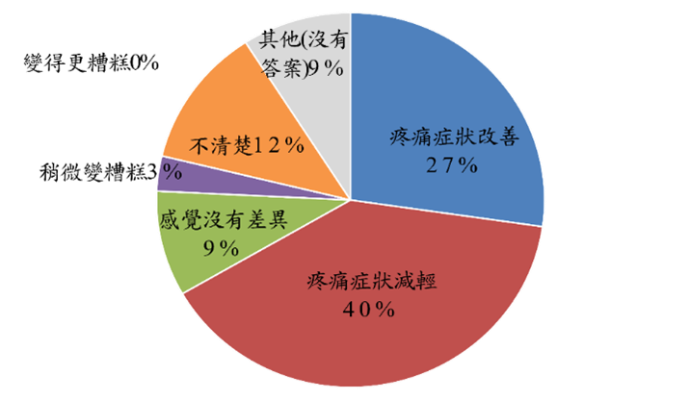
SAMe 可舒緩關節疼痛(JKOM描述性問卷調查結果)
(Internal Research Data from the Manufacturer).
This includes:
- 多項研究探討SAMe在甲基化反應、硫代謝與細胞能量代謝中的角色,並評估其作為機能性食品素材的安全性與生化特性,支持其在營養與發酵科學領域的研究價值
Note: 本內容僅為研究應用方向整理,非效果或結果宣稱
適用族群
適用劑型
膠囊

錠劑
粉包
相關資訊
常見問答
Fermeast® SA 是一種採用日本專利發酵技術生產的食品級酵母原料,含有高度穩定的 SAMe(S-腺苷甲硫氨酸)成分
該原料使用日本清酒酵母(Saccharomyces cerevisiae)作為食源酵母來源,屬於傳統食品級菌株
否,Fermeast® SA 使用的是非基因改造的傳統食品級酵母菌株
該原料通過了 ISO 9001:2015 品質管理體系認證,具備完善的可追溯性與風險管理流程
獨家專利技術能精確控制培養條件,使酵母細胞內的 SAMe 含量具備高度穩定性與批次一致性
適合關注行動力的銀髮族、經常交際應酬的上班族,以及日常忙碌需平衡生活的青壯年族群
該原料具有良好的工業化應用性,適用於膠囊、錠劑及粉包等多種劑型
建議將原料保存在陰涼乾燥處,並避免暴露於高溫與潮濕的環境中
多項研究已評估其作為機能性食品素材的安全性與生化特性,支持其在發酵科學領域的研究價值
日本技術確保了酵母來源的純淨度與 SAMe 的高穩定性,優於一般可能不穩定的化學合成或非專利來源
參考文獻
Bottiglieri, T. (2002). S-Adenosyl-L-methionine (SAMe): from the bench to the bedside—molecular basis of a pleiotrophic molecule. The American journal of clinical nutrition, 76(5), 1151S-1157S.
Lieber, C. S. (2002). S-adenosyl-L-methionine: its role in the treatment of liver disorders. The American journal of clinical nutrition, 76(5), 1183S-1187S.
Papakostas, G. I., Alpert, J. E., & Fava, M. (2003). S-adenosyl-methionine in depression: a comprehensive review of the literature. Current psychiatry reports, 5(6), 460-466.
Lu, S. C., & Mato, J. M. (2012). S-adenosylmethionine in liver health, injury, and cancer. Physiological reviews, 92(4), 1515-1542.
S-adenosylmethionine reduces the progress of the Alzheimer-like features induced by B-vitamin deficiency in mice
Wang, Y., Sun, Z., & Szyf, M. (2017). S-adenosyl-methionine (SAM) alters the transcriptome and methylome and specifically blocks growth and invasiveness of liver cancer cells. Oncotarget, 8(67), 111866.
Sharma, A., Gerbarg, P., Bottiglieri, T., Massoumi, L., Carpenter, L. L., Lavretsky, H., ... & Mischoulon, D. (2017). S-Adenosylmethionine (SAMe) for neuropsychiatric disorders: a clinician-oriented review of research. The Journal of clinical psychiatry, 78(6), e656.
Taylor, R. M., Smith, R., Collins, C. E., Mossman, D., Wong-Brown, M. W., Chan, E. C., ... & Hure, A. J. (2018). Methyl-donor and cofactor nutrient intakes in the first 2–3 years and global DNA methylation at age 4: a prospective cohort study. Nutrients, 10(3), 273.