
國際文獻
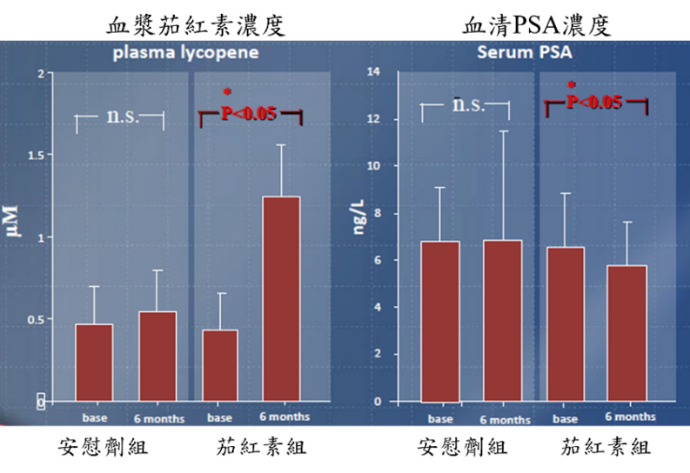
增加血漿茄紅素並降低PSA(攝護腺特定抗原)濃度
(Schwarz et al, J. Nutr, 2008).
This includes:
- 抗氧化活性與自由基清除特性
- 生物利用度與組織分布
- 微膠囊化穩定性與食品加工耐受性
- 與血漿茄紅素濃度變化的關聯
Note: 本內容僅為研究應用方向整理,非效果或結果宣稱
適用族群
適用劑型
膠囊
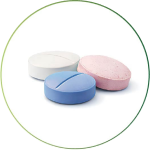
錠劑
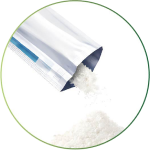
粉包
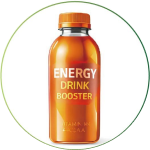
飲品.液劑
相關資訊
常見問答
Lyc-O-Pen® 是一種來自以色列專利番茄品系的茄紅素原料,並採用先進的微膠囊化技術在美國製造,以確保其穩定性與高品質
微膠囊化技術能提升茄紅素的氧化穩定性、耐光與耐熱表現,同時有效遮蔽原料氣味,增加配方的相容性
是的,它來自 LycoRed 專利番茄品系,保留了天然番茄色素,屬於天然等同型式
保留了 β胡蘿蔔素與維生素 E 等天然伴隨成分,提供完整的植化素輪廓
Lyc-O-Pen®通過了 Halal、Kosher、FSSC22000、ISO9001、HACCP 與 GMP 等多重品質認證
Lyc-O-Pen®具備多元應用性,適用於膠囊、錠劑、粉包、一般食品以及外用保養品配方
建議將其保存在陰涼乾燥處,並避免高溫環境與直射光的照射
是的,Lyc-O-Pen® 具備 Clean Label 的特性,符合消費者對於透明、簡單且天然原料的需求
來自 LycoRed 的專利微膠囊番茄,其茄紅素含量顯著高於一般番茄品種
透過微膠囊化技術,可提升茄紅素的穩定性,相關研究也探討了其在不同載體系統中的生物利用度表現
參考文獻
Kucuk, O., Sarkar, F. H., Sakr, W., Djuric, Z., Pollak, M. N., Khachik, F., ... & Wood Jr, D. P. (2001). Phase II randomized clinical trial of lycopene supplementation before radical prostatectomy. Cancer Epidemiology Biomarkers & Prevention, 10(8), 861-868.
Kucuk, O., Sarkar, F. H., Djuric, Z., Sakr, W., Pollak, M. N., Khachik, F., ... & Wood Jr, D. P. (2002). Effects of lycopene supplementation in patients with localized prostate cancer. Experimental Biology and Medicine, 227(10), 881-885.
Ansari, M. S., & Gupta, N. P. (2003). A comparison of lycopene and orchidectomy vs orchidectomy alone in the management of advanced prostate cancer. BJU international, 92(4), 375-378.
Cesarini, J. P., Michel, L., Maurette, J. M., Adhoute, H., & Bejot, M. (2003). Immediate effects of UV radiation on the skin: modification by an antioxidant complex containing carotenoids. Photodermatology, photoimmunology & photomedicine, 19(4), 182-189.
Aust, O., Stahl, W., Sies, H., Tronnier, H., & Heinrich, U. (2005). Supplementation with tomato-based products increases lycopene, phytofluene, and phytoene levels in human serum and protects against UV-light-induced erythema. International journal for vitamin and nutrition research, 75(1), 54-60.
Ansari, M. S., & Gupta, N. P. (2004, September). Lycopene: a novel drug therapy in hormone refractory metastatic prostate cancer. In Urologic Oncology: Seminars and Original Investigations (Vol. 22, No. 5, pp. 415-420). Elsevier.
Briviba, K., Kulling, S. E., Möseneder, J., Watzl, B., Rechkemmer, G., & Bub, A. (2004). Effects of supplementing a low-carotenoid diet with a tomato extract for 2 weeks on endogenous levels of DNA single strand breaks and immune functions in healthy non-smokers and smokers. Carcinogenesis, 25(12), 2373-2378.
Briviba, K., Kulling, S. E., Möseneder, J., Watzl, B., Rechkemmer, G., & Bub, A. (2004). Effects of supplementing a low-carotenoid diet with a tomato extract for 2 weeks on endogenous levels of DNA single strand breaks and immune functions in healthy non-smokers and smokers. Carcinogenesis, 25(12), 2373-2378.
Porrini, M., Riso, P., Brusamolino, A., Berti, C., Guarnieri, S., & Visioli, F. (2005). Daily intake of a formulated tomato drink affects carotenoid plasma and lymphocyte concentrations and improves cellular antioxidant protection. British Journal of Nutrition, 93(1), 93-99.