


Intenational Literature
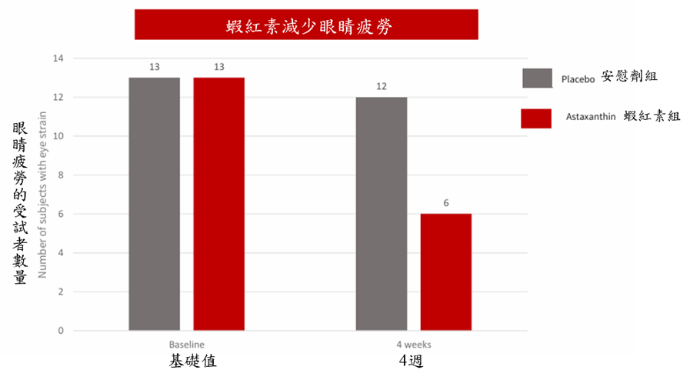
Astaxanthin consumption may support improvement in eye fatigue
(Nagaki Y et al., 2002).
Astaxanthin consumption may support improvements in skin condition
(Tominaga et al., 2012).
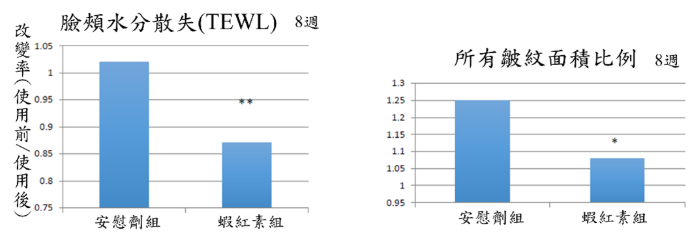
This includes:
- Antioxidant capacity in human studies
- Visual fatigue-related physiological indicators
- Skin elasticity and exercise performance markers
- Supporting its relevance in nutritional science and antioxidant research.
Note: This content is for research reference only and does not constitute efficacy claims.
Target Audience
Applications
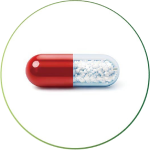
Capsules
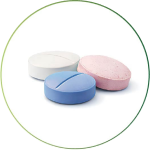
Tablets
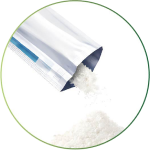
Powder sachets
Beverages
Resource Center
FAQ
AstaPure® is a natural astaxanthin extracted from Haematococcus pluvialis. This microalgae is considered one of the richest sources of natural astaxanthin, offering a complete natural form and compositional stability.
The raw material originates from the Arava Desert in Israel, utilizing the region's abundant sunlight and pure water sources for cultivation. This unique desert environment creates stable and controllable growth conditions for the algae.
This is a closed-system cultivation technology used by AstaPure® to grow Haematococcus pluvialis. This technology effectively reduces the risk of external environmental contamination and ensures high consistency in product quality.
Yes, it employs Supercritical CO2 extraction technology. This process avoids organic solvent residues and fully complies with safety standards for food and nutritional supplements.
AstaPure® has passed multiple international quality certifications, including GMP, Halal, and Kosher. Furthermore, it meets Clean Label requirements and has been approved by regulatory authorities in various international markets.
Astaxanthin is especially suitable for women focused on beauty care, office workers who use digital devices for long periods, health-conscious seniors, and sports enthusiasts. These groups can gain nutritional support through its powerful antioxidant properties.
This raw material is highly versatile and can be used to produce capsules, tablets, drinks, powder packs, and even general food products and skincare.
International research focuses on evaluating the antioxidant capacity of astaxanthin in the human body, supporting its value in nutritional science. It is widely studied across indicators such as visual fatigue, skin elasticity, and exercise endurance.
Yes, manufacturers can provide human research summaries, product specifications (Spec), Certificates of Analysis (COA), and relevant quality certification documents for reference.
Supercritical CO2 extraction does not use chemical solvents, so there are no solvent residue issues, making it more environmentally friendly and safer for consumers.
References
Nagaki, Y., Hayasaka, S., Yamada, T., Hayasaka, Y., Sanada, M., & Uonomi, T. (2002). Effects of astaxanthin on accommodation, critical flicker fusion, and pattern visual evoked potential in visual display terminal workers (Doctoral dissertation, University of Toyama).
Sawaki, K., Yoshigi, H., Aoki, K., Koikawa, N., Azumane, A., Kaneko, K., & Yamaguchi, M. (2002). Sports performance benefits from taking natural astaxanthin characterized by visual acuity and muscle fatigue improvements in humans. Journal of Clinical Therapeutics & Medicines, 18(9), 73-88.
Nakamura, A., Isobe, R., Otaka, Y., Abematsu, Y., Nakata, D., Honma, C., ... & Horiguchi, M. (2004). Changes in visual function following peroral astaxanthin. Japanese Journal of Clinical Ophthalmology, 58(6), 1051-1054.
Nitta, T., Ogami, K., Shiratori, K., Shinmei, Y., Chin, S., & Yoshida, K. (2005). Effects of astaxanthin on accommodation and asthenopia—Dose finding study in healthy volunteers. Clinical Medicine, 21(5), 543-556.
Ohgami, K., Shiratori, K., Nitta, T., Shinmei, Y., Chin, S., Yoshida, K., ... & Ohno, S. (2005). Study on the safety of high dose administration of astaxanthin. J. Clin. Ther. Med, 21, 651-659.
Yasunori, N., Miharu, M., Jiro, T., Akitoshi, K., Yoshiharu, H., Yuri, S., & Hiroki, T. (2005). The effect of astaxanthin on retinal capillary blood flow in normal volunteers. J. Clin. Ther. Med, 21(5), 537-542.
Iwasaki, T., & Tawara, A. (2006). Effects of astaxanthin on eyestrain induced by accommodative dysfunction. Journal of the Eye, 23(6), 829.
IZUMI, Y., SATO, M., UEDA, F., SUDO, Y., UJIIE, K., NAGATA, K., ... & TAKASHIMA, M. (2009). Development of the Dietary Supplements,“Astalift supplement” and “Astalift drink”. PURPOSE OF PUBLICATION, 24.
Tominaga, K., Hongo, N., Karato, M., & Yamashita, E. (2012). Cosmetic benefits of astaxanthin on humans subjects. Acta Biochimica Polonica, 59(1).