



Intenational Literature
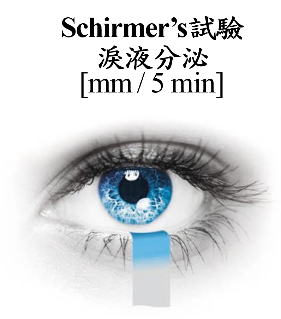
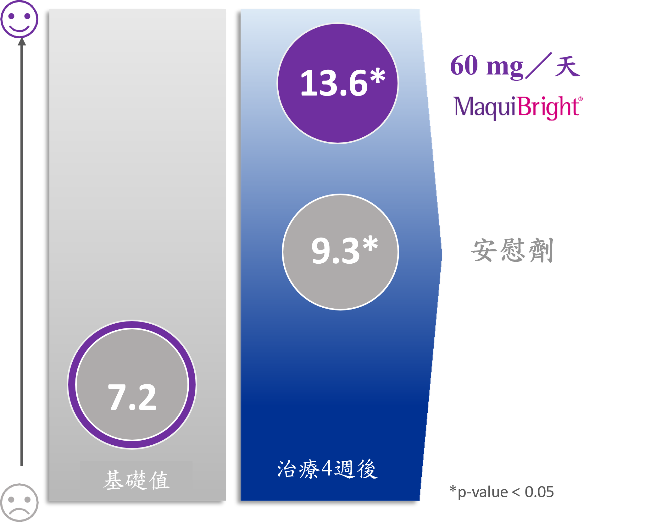
Maqui berry may increase tear production
(Yamashita et al., 2019).
May inhibit osteoclast formation
(Moriwaki et al., 2014).
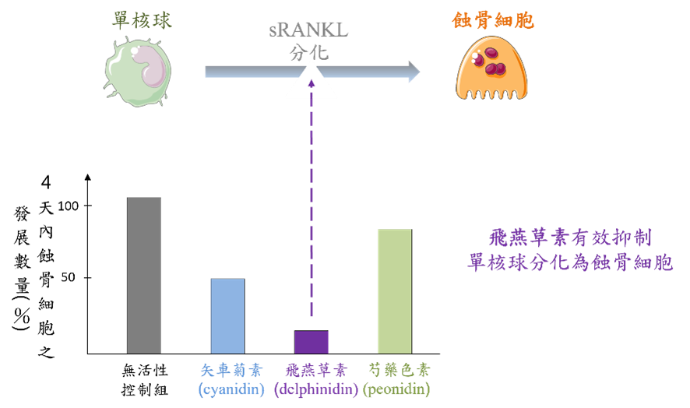
This includes:
- The anthocyanins and delphinidins found in Chilean maqui berry are commonly investigated as phytochemical components in research models related to visual physiological indicators, circulation, and antioxidant activity.
- MaquiBright® / Delphinol® is a quantitatively standardized extract, facilitating the alignment of scientific research data with practical formulation applications.
Note: This content is for research reference only and does not constitute efficacy claims.
Target Audience
Applications
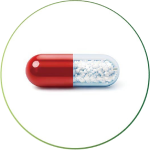
Capsules
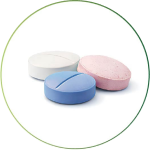
Tablets
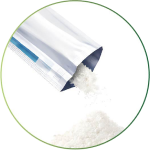
Powder sachets
Beverages
Resource Center
FAQ
It is a highly standardized berry extract from Chile (Aristotelia chilensis), rich in delphinidins, primarily used for improving visual health, circulation, and antioxidant research.
The berries are sourced from Chile, and the extract is manufactured and processed in a GMP food-grade facility in Germany.
Maqui Berry is rich in a specific ratio of delphinidins, and its anthocyanin structure and content are significantly higher than most other berries.
MaquiBright®/Delphinol® complies with German GMP manufacturing standards and has received Halal and Kosher certifications, featuring a complete traceability system.
The extract features excellent high water solubility and disperses uniformly, making it ideal for developing transparent drinks, powder packs, or effervescent tablets.
It is suitable for individuals with long-term screen use, seniors, and adults focused on daily antioxidant intake.
Yes, this ingredient aligns with the Clean Label trend, aiming to provide transparent and high-quality nutraceutical raw materials.
The extract is applicable to various dosage forms, including capsules, tablets, powders, and various beverages.
Although it has good water solubility, it is recommended to conduct stability tests based on the target pH, sugar-to-acid ratio, and processing conditions in the actual formulation.
It is recommended to store it sealed in a cool, dry place, avoiding high temperatures, humidity, and direct sunlight; use as soon as possible after opening.
References
Tanaka, J., Kadekaru, T., Ogawa, K., Hitoe, S., Shimoda, H., & Hara, H. (2013). Maqui berry (Aristotelia chilensis) and the constituent delphinidin glycoside inhibit photoreceptor cell death induced by visible light. Food Chemistry, 139(1-4), 129-137.
Hitoe, S., Tanaka, J., & Shimoda, H. (2014). MaquiBright™ standardized maqui berry extract significantly increases tear fluid production and ameliorates dry eye-related symptoms in a clinical pilot trial. Panminerva medica, 56(3 Suppl 1), 1-6.
Nakamura, S., Tanaka, J., Imada, T., Shimoda, H., & Tsubota, K. (2014). Delphinidin 3, 5-O-diglucoside, a constituent of the maqui berry (Aristotelia chilensis) anthocyanin, restores tear secretion in a rat dry eye model. journal of functional foods, 10, 346-354.
Schön, C., Wacker, R., Micka, A., Steudle, J., Lang, S., & Bonnländer, B. (2018). Bioavailability study of maqui berry extract in healthy subjects. Nutrients, 10(11), 1720.
Yamashita, S. I., Suzuki, N., Yamamoto, K., Iio, S. I., & Yamada, T. (2019). Effects of MaquiBright® on improving eye dryness and fatigue in humans: A randomized, double-blind, placebo-controlled trial. Journal of Traditional and Complementary Medicine, 9(3), 172-178.
Paul Jr, E. L., Patel, A., & Machiraju, S. (2019). A Combined Regimen of Dietary Supplements Containing Omega-3 Fish Oil and Standardized Maqui Berry Extract Improves Dry Eye Related Symptoms in a Pilot Randomized Interventional Clinical Study. Journal of Clinical and Experimental Ophthalmology, 10(2), 1-5.
Yamashita, S. I., Suzuki, N., Yamamoto, K., Iio, S. I., & Yamada, T. (2019). Effects of MaquiBright® on improving eye dryness and fatigue in humans: A randomized, double-blind, placebo-controlled trial. Journal of Traditional and Complementary Medicine, 9(3), 172-178.
Kundu, G., Shetty, R., D’Souza, S., Gorimanipalli, B., Koul, A., & Sethu, S. (2023). Effect of maqui-berry extract in dry eye disease–A clinical and molecular analysis. Indian Journal of Ophthalmology, 71(4), 1613-1618.
Afaq, F., Syed, D. N., Malik, A., Hadi, N., Sarfaraz, S., Kweon, M. H., ... & Mukhtar, H. (2007). Delphinidin, an anthocyanidin in pigmented fruits and vegetables, protects human HaCaT keratinocytes and mouse skin against UVB-mediated oxidative stress and apoptosis. Journal of Investigative Dermatology, 127(1), 222-232.