
Literature Summary
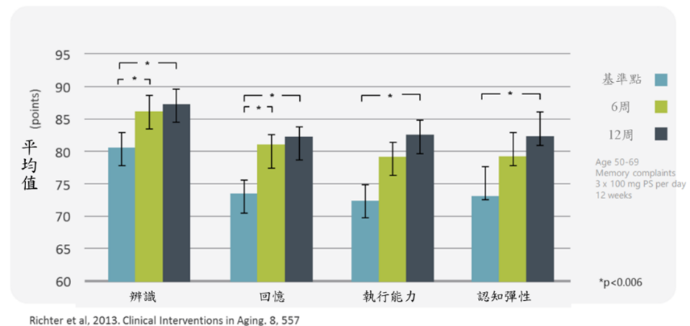
May support cognitive function improvement in elderly
This include:
- Focus and mental clarity indicators
- Behavioral and functional evaluation in aging populations
- Dose-response and application formats
Note: This section summarizes research directions only and does not imply any health claims
Target Audience
Dosage Forms
Capsules
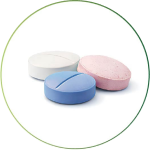
Tablet
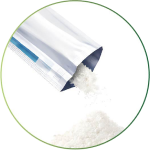
Powder sachets
Resource Center
FAQ
It is a pure plant-derived PS, extracted from non-GMO soybeans, aligning with the positioning of natural and vegan products.
Clean Label refers to clean labeling. SHARP-PS® is positioned as a Clean Label material, facilitating brand standardization and international market layout.
Related research indicates that after 12 weeks of continuous supplementation, there are significant changes in subjects' emotional balance and cognitive function.
The ingredient holds GMP, Kosher, and Halal quality certifications and is a US FDA-affirmed ingredient for claims.
The manufacturer regularly sends the material to third-party organizations for pesticide residue testing, and the results are all none detected, ensuring food safety.
It is particularly suitable for high-intensity learners or workers, professionals needing convenient supplements, and seniors focused on nutritional balance.
It has high application flexibility, suitable for tablets, capsules, powder packs, functional chocolates, gummies, and even dairy products.
It is suggested to pair with Lemon Balm (calming), Green Oat (herbal concept), Red Algae extract, or Spirulina for a comprehensive formula.
In studies targeting the elderly, the effective dosage used was 100 mg three times a day for 12 weeks.
Yes, it is produced following international quality standard processes, ensuring high stability for the material in every batch.
References
Richter, Y., Herzog, Y., Lifshitz, Y., Hayun, R., & Zchut, S. (2013). The effect of soybean-derived phosphatidylserine on cognitive performance in elderly with subjective memory complaints: a pilot study. Clinical interventions in aging, 557-563.
Yong, T., Qianyong, Z., Mantian, M., Gang, H., & Jing, W. (2011). Research on human memory enhancement by phosphatidylserine fortified milk. Chongqing Medicine, 30.
Komori, T. (2015). The effects of phosphatidylserine and omega-3 fatty acid-containing supplement on late life depression. Mental Illness, 7(1), 7-11.
DiSilvestro, R. A., Hart, S., Marshall, T., Joseph, E., Reau, A., Swain, C. B., & Diehl, J. (2017). Enhanced aerobic exercise performance in women by a combination of three mineral Chelates plus two conditionally essential nutrients. Journal of the International Society of Sports Nutrition, 14(1), 42.
Kingsley, M. I., Wadsworth, D. A. N. I. E. L., Kilduff, L. P., McEneny, J., & Benton, D. (2005). Effects of phosphatidylserine on oxidative stress following intermittent running. Medicine and science in sports and exercise, 37(8), 1300-1306
Hirayama, S., Terasawa, K., Rabeler, R., Hirayama, T., Inoue, T., Tatsumi, Y., ... & Jäger, R. (2014). The effect of phosphatidylserine administration on memory and symptoms of attention‐deficit hyperactivity disorder: A randomised, double‐blind, placebo‐controlled clinical trial. Journal of human nutrition and dietetics, 27, 284-291.